The Economy Markets

15% workforce reduction in the first half, following last year’s cuts Additional layoffs possible amid failure to secure foundry demand New plant projects canceled, targeting 22% downsizing by year-end Intel is pressing ahead with large-scale res
Read More
Pre-Summit Consultations with European Allies Ahead of U.S.-Ukraine Talks Kyiv Also Pursuing Drone Production Pact with Washington Leveraging Battlefield Experience NATO European Members Expand Security Assistance for Ukraine Ukraine has p
Read More
50% tariffs imposed on steel and aluminum content in products Applied even to goods already in transit U.S.
Read More
Introduction of programmable currency functions through stablecoins Bank-centered introduction, with non-bank participation via consortia Structural disruption of bank-centered financial industry if non-bank issuance permitted Bank of K
Read More
China to Resume Australian Canola Imports After Five-Year Halt Trade Tensions Eased Since COVID-Era Disputes Ties Improve Following Australia’s 2022 Leadership Change China is set to resume imports of Australian canola after a five-year
Read More
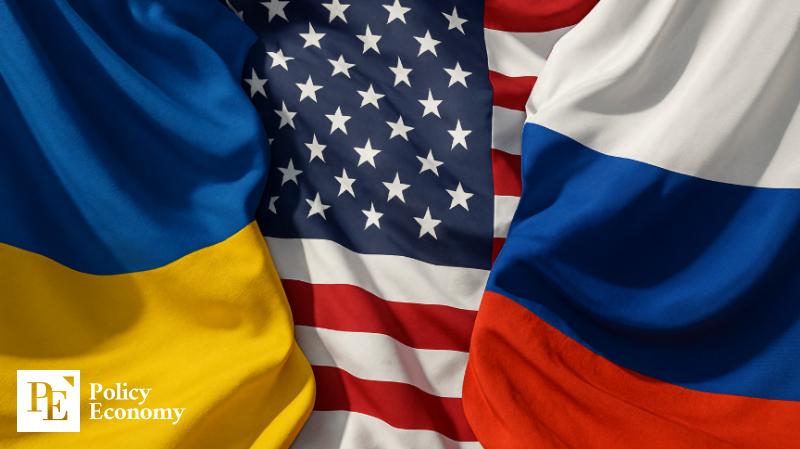
Trump Seeks Putin–Zelensky Bilateral Talks U.S., Europe, and Ukraine Form Tripartite Security Committee With U.S.
Read More
More value now courses through stablecoins and other crypto rails than most policy conversations acknowledge: the IMF’s 2025 analysis maps roughly $2 trillion in cross-border stablecoin flows in 2024, concentrated in North America and the Asia-Pacific, and significant relative to GDP in emerging regions. Meanwhile, FATF reports that a third of surveyed jurisdictions still lacked full Travel Rule legislation as of mid-2024, and even among adopters, supervision and enforcement lag.
Read More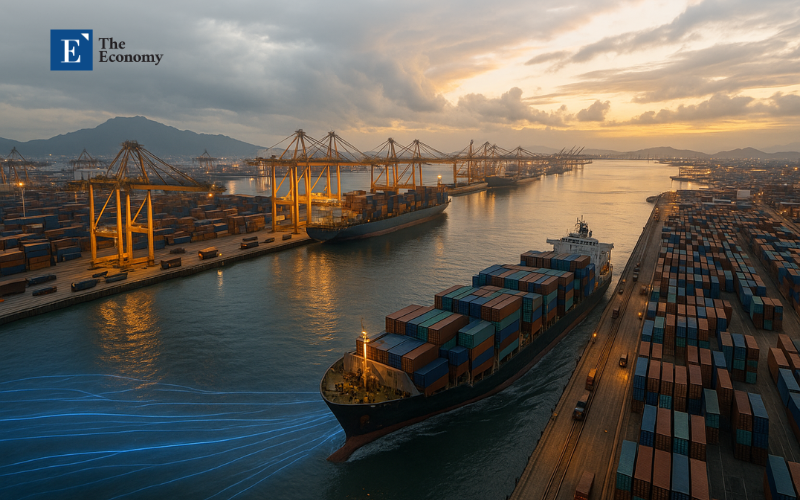
This article was independently developed by The Economy editorial team and draws on original analysis published by East Asia Forum. The content has been substantially rewritten, expanded, and reframed for broader context and relevance. All views expressed are solely those of the author and do not represent the official position of East Asia Forum or its contributors.
Read More
This article is based on ideas originally published by VoxEU – Centre for Economic Policy Research (CEPR) and has been independently rewritten and extended by The Economy editorial team. While inspired by the original analysis, the content presented here reflects a broader interpretation and additional commentary. The views expressed do not necessarily represent those of VoxEU or CEPR.
Read More
The Born Korea Faces Image Crisis Amid Criticism of CEO Baek Is the Culture of Celebrity Backlash Going Too Far? Calls Grow for Both Social Reflection and Institutional Reform Baek Jong-won, CEO of The Born Korea /
Read More
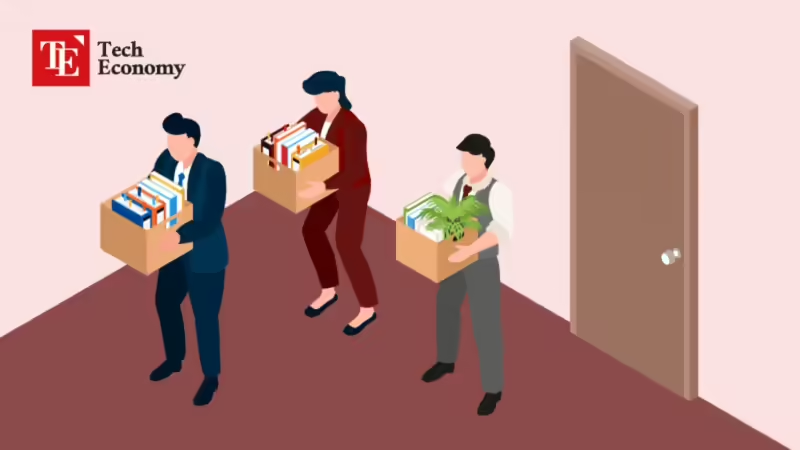
Voluntary retirement for senior employees to facilitate workforce renewal Global No.
Read More
Musinsa, IPO Initiative Lead Underwriter Selection Process $7.4 Billion Valuation Target, Market Doubts Photo = Musinsa Musinsa, South Korea’s leading fashion platform, has distributed requests
Read More
Evergrande finally delisted from the Hong Kong Stock Exchange Sudden regulatory tightening pushes other developers toward collapse With no “way out,” the prolonged property slump weighs heavily on China’s economy China’s largest private prop
Read More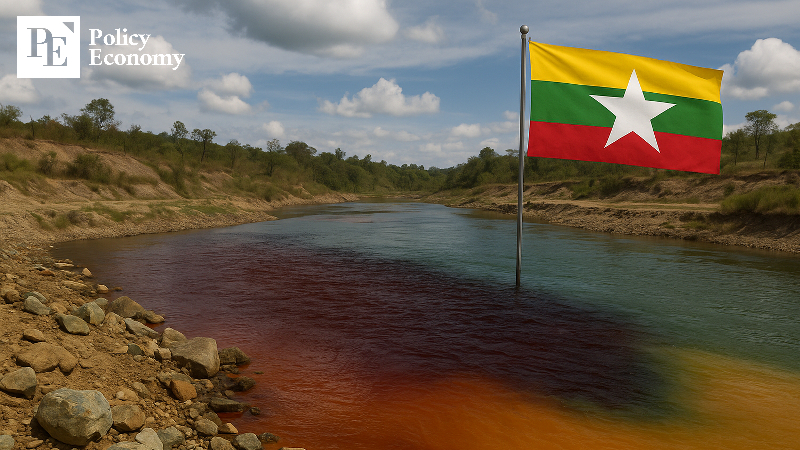
Myanmar’s Rare Earth Mining Surge Poisons the Mekong Rebel Forces Seize Key Extraction Sites China Seen as the Real Power Behind the Militias The environment along the Mekong River, which runs through Southeast Asia, is worsening
Read More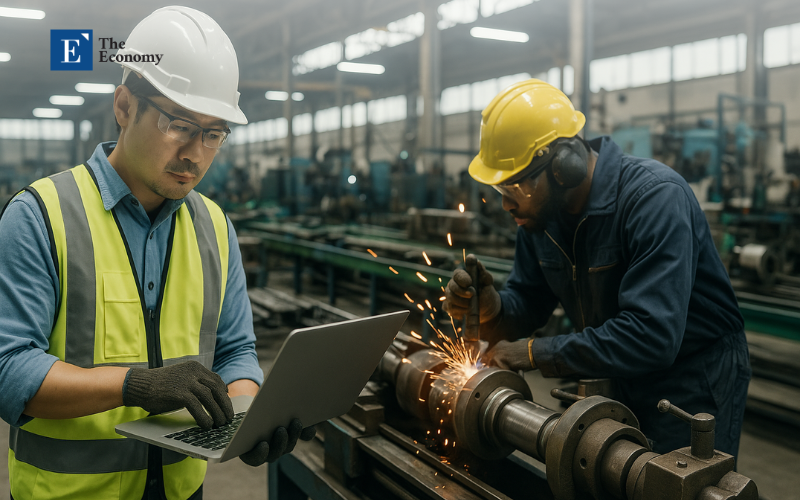
This article was independently developed by The Economy editorial team and draws on original analysis published by East Asia Forum. The content has been substantially rewritten, expanded, and reframed for broader context and relevance. All views expressed are solely those of the author and do not represent the official position of East Asia Forum or its contributors.
Read More
This article is based on ideas originally published by VoxEU – Centre for Economic Policy Research (CEPR) and has been independently rewritten and extended by The Economy editorial team. While inspired by the original analysis, the content presented here reflects a broader interpretation and additional commentary. The views expressed do not necessarily represent those of VoxEU or CEPR.
Read More
This article is based on ideas originally published by VoxEU – Centre for Economic Policy Research (CEPR) and has been independently rewritten and extended by The Economy editorial team. While inspired by the original analysis, the content presented here reflects a broader interpretation and additional commentary. The views expressed do not necessarily represent those of VoxEU or CEPR.
Read More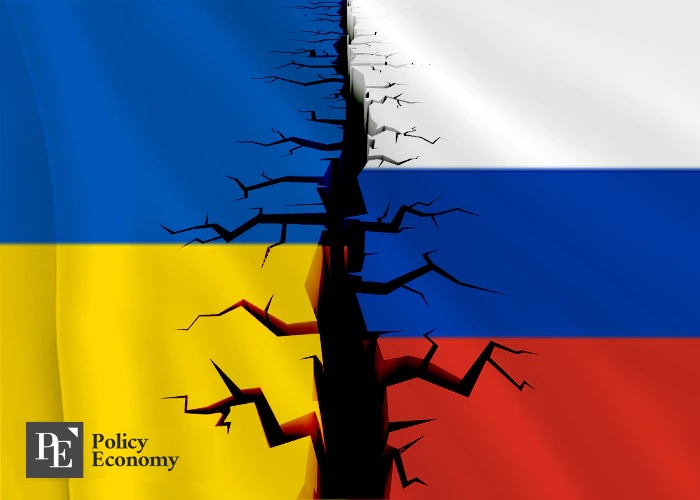
Putin: “If Ukraine withdraws from Donbas, the rest of the front will be frozen” U.S.
Read More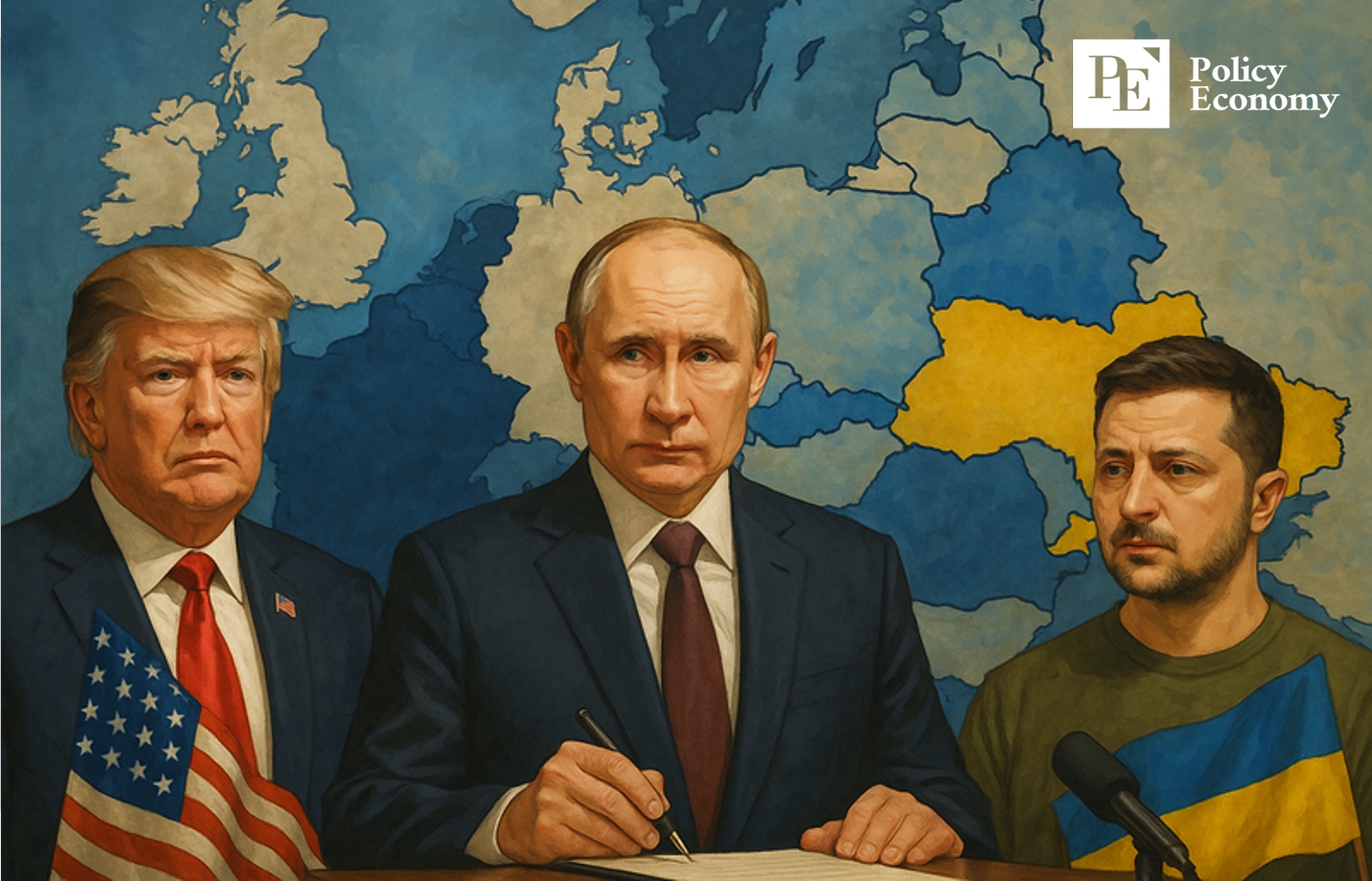
Trump’s Call for ‘Immediate Ceasefire,’ Deadlock Controversy Diplomatic Leverage Against China Through Russia European Leaders’ Attendance at White House Talks with Ukraine Russian President Vladimir Put
Read More
SoftBank and other existing investors to participate in secondary sale Company valuation could soar to $500 billion if deal closes Poised to become the world’s most valuable unlisted tech firm OpenAI is reportedly in talks to offload insider-hel
Read More