The Economy Markets

This article is based on ideas originally published by VoxEU – Centre for Economic Policy Research (CEPR) and has been independently rewritten and extended by The Economy editorial team. While inspired by the original analysis, the content presented here reflects a broader interpretation and additional commentary. The views expressed do not necessarily represent those of VoxEU or CEPR.
Read More
North Korea Evades Western Sanctions Through Crypto Hacks Pyongyang Trains Elite Cyber Operatives for State-Sponsored Attacks South Korea’s Fragile Cyber Defense: A Ticking Time Bomb? North Korea is now firmly positioned at the epi
Read More
Massive subsidies and chronic overcapacity fuel a vicious cycle China’s state-led industrial policy hits structural limits Experts warn: “The era of explosive growth is over” China’s solar industry is teetering on the brink of collapse, hit ha
Read More
“Reflecting industry demands amid labor shortages” From Crackdowns to U-Turns to Temporary Permits Shift in tone amid growing concerns over labor shortages in the field US President Donald Trump/Photo = White House
Read More








On a raw Tuesday morning this past April, two lines of data crossed in a way every curriculum committee should heed. First, Pew reported that 37% of American adults now begin a web search directly inside ChatGPT rather than using Google (Pew Research Center, 2025a). Second, a Vectara/Hugging Face leaderboard quietly showed that even the best model, GPT-4o-mini, still invents facts in 1.7% of answers—and in domain-specific writing, that figure can skyrocket past 40%.
Read More
This article was independently developed by The Economy editorial team and draws on original analysis published by East Asia Forum. The content has been substantially rewritten, expanded, and reframed for broader context and relevance. All views expressed are solely those of the author and do not represent the official position of East Asia Forum or its contributors.
Read More
This article is based on ideas originally published by VoxEU – Centre for Economic Policy Research (CEPR) and has been independently rewritten and extended by The Economy editorial team. While inspired by the original analysis, the content presented here reflects a broader interpretation and additional commentary. The views expressed do not necessarily represent those of VoxEU or CEPR.
Read More

Every statistic about public trust in science reveals less a knowledge gap than an abyss of distrust, a chasm that reason alone cannot bridge. Despite decades of data, surveys, and outreach campaigns, roughly three-quarters of Americans—76% in the latest Pew Research Center poll—report having at least some confidence in scientists to act in the public’s best interest; yet, more than one in four express little to no trust at all.
Read More
This article was independently developed by The Economy editorial team and draws on original analysis published by East Asia Forum. The content has been substantially rewritten, expanded, and reframed for broader context and relevance. All views expressed are solely those of the author and do not represent the official position of East Asia Forum or its contributors.
Read More
This article is based on ideas originally published by VoxEU – Centre for Economic Policy Research (CEPR) and has been independently rewritten and extended by The Economy editorial team. While inspired by the original analysis, the content presented here reflects a broader interpretation and additional commentary. The views expressed do not necessarily represent those of VoxEU or CEPR.
Read More
AGI: The Key Variable That Will Define Future Revenue Models OpenAI Can Restrict Microsoft's Access If It Declares AGI Clash Over Clause Allowing Early Termination of Microsoft's Exclusive Tech Rights (
Read More

A Shocking Defeat to Singapore — Left with No Results Voices Within: ‘Overconfidence Was the Problem’ The Limits of Relying on Advanced Technology Packaging Are Now Plain to See For South Korea’s leading shipbuilders, what was widely regarded
Read More
Plaintiffs Fail to Provide Specific Evidence of Damages "Unauthorized Data Collection and Training Destroy the Creative Market" Legal Interpretation of Fair Use Still Pending A U.S.
Read More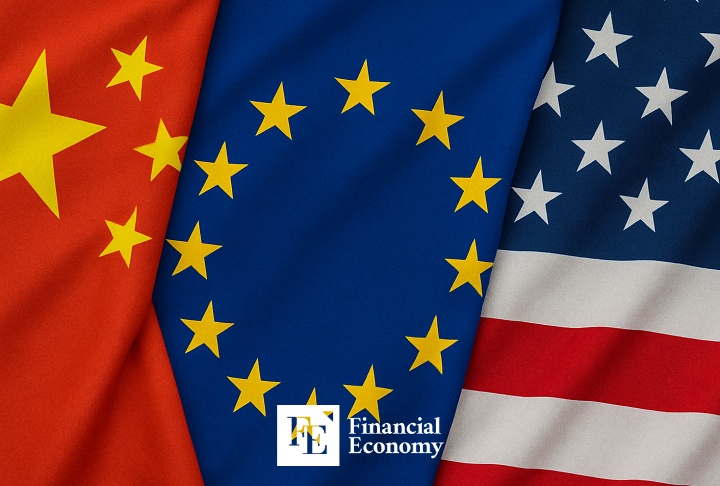
China's Exports to Europe Rise 8% in May EU Shows Mixed Stance Between Pro-US and Neutral Policies Europe's Value Grows Amid Economic and Diplomatic Multipolarization On June 27, Chinese Foreign Minist
Read More
HBM Sales Up 50%, Shipments Made to Four Major Clients Following SK Hynix, Announces Full Allocation of Next Year’s Supply Market Share Expected to Jump from 5% to 25%, Confident in Tech Competitiveness. M
Read More
This article is based on ideas originally published by VoxEU – Centre for Economic Policy Research (CEPR) and has been independently rewritten and extended by The Economy editorial team. While inspired by the original analysis, the content presented here reflects a broader interpretation and additional commentary. The views expressed do not necessarily represent those of VoxEU or CEPR.
Read More