The Economy Markets

This article is based on ideas originally published by VoxEU – Centre for Economic Policy Research (CEPR) and has been independently rewritten and extended by The Economy editorial team. While inspired by the original analysis, the content presented here reflects a broader interpretation and additional commentary. The views expressed do not necessarily represent those of VoxEU or CEPR.
Read More
Talks shift from bullets to balance sheets. Tariffs become the new front line. Will an accord emerge, or will demands stall? A meeting between President Trump and President Putin is reportedly imminent, marking a shift in focus from the battlefield to the balance of trade. Instead of ceasefire terms or territorial settlements, this summit will center on sanctions, tariffs, and the reshaping of the post-war financial order.
Read More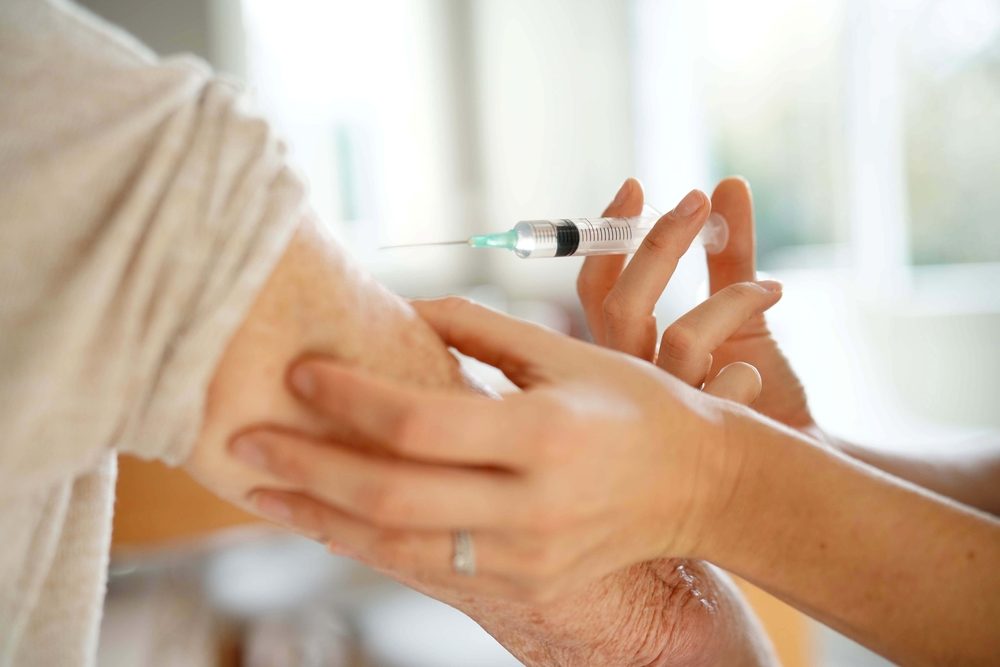
He strikes at mRNA funding. Advisory experts replaced Public health at a crossroads In a move that has shaken the scientific community, U.S. Health Secretary Robert F. Kennedy Jr. initiated a broad reversal of federal support for the development of COVID-19 and flu vaccines. The decision, announced in late 2024, is consistent with his long-held skepticism toward vaccines and now signals a new phase where such beliefs are shaping national health policy.
Read More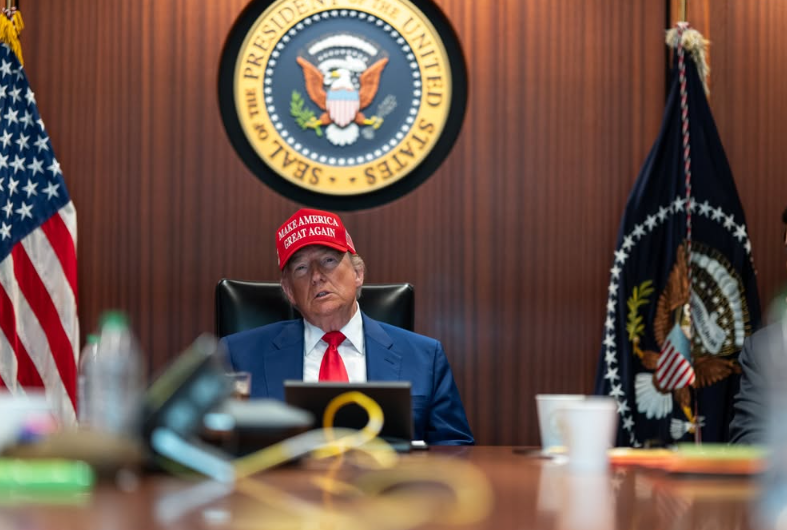
Rejected once, never forgotten A war against the old financial order A new coin, a new kind of power In his latest political maneuvering, Donald Trump has turned his attention toward America’s banking giants. At first glance, it appears to be another populist play against corporate institutions. But beneath that rhetoric lies something more profound: a strategic move in the shifting battleground of digital currency, finance, and power.
Read More
This article was independently developed by The Economy editorial team and draws on original analysis published by East Asia Forum. The content has been substantially rewritten, expanded, and reframed for broader context and relevance. All views expressed are solely those of the author and do not represent the official position of East Asia Forum or its contributors.
Read More








This article was independently developed by The Economy editorial team and draws on original analysis published by East Asia Forum. The content has been substantially rewritten, expanded, and reframed for broader context and relevance. All views expressed are solely those of the author and do not represent the official position of East Asia Forum or its contributors.
Read More
This article is based on ideas originally published by VoxEU – Centre for Economic Policy Research (CEPR) and has been independently rewritten and extended by The Economy editorial team. While inspired by the original analysis, the content presented here reflects a broader interpretation and additional commentary. The views expressed do not necessarily represent those of VoxEU or CEPR.
Read More
Tim Cook Becomes Longest-Serving CEO in Apple’s History Lagging in AI Race Delays Next-Gen Product Pipeline Facing Compounded Risks from Antitrust Scrutiny in U.S.
Read More

Top Autonomous Driving Startup Heads to Japan Domestic Regulations Ban Paid Services Number of Startups Relocating Abroad Surges Sixfold Over a Decade On the 4th, Han Ji-hyung (left), CEO of Autonomous A2Z, poses for a comme
Read More
Kevin Hassett of NEC, Former Fed Governor Kevin Warsh Among Contenders Despite Powell’s Remaining Term, Trump Floats Successor Names Loyalists Seen as Potential Picks to Align with Trump’s Policy Agenda US President Donal
Read More
Trump Administration Abolishes De Minimis Rule K-Beauty Sector, Highly Dependent on Cross-Border Sales, Faces Direct Blow Potential for Relative Benefit Compared to China Remains On July 30 (local time), President Donald Tr
Read More
Concerns Over Exclusion Zones, Race for Technological Dominance Minimum 100kW Power Requirement for Lunar Survival and Mars Transit Pursuit of Space Supremacy Through Preemptive Lunar Reactor Deployment Ahead of China and Russia
Read More
The Era of Mobile Apps Nears Its EndOnly Highly Skilled Talent Will Survive
Read More

Higher Tax Revenues Mask Rising Consumer BurdensMarket Liberalization Abroad Creates New Opportunities
Read More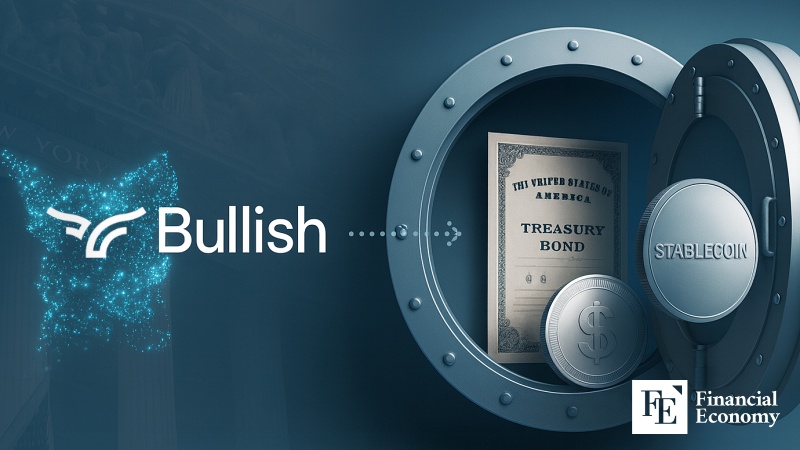
Target Valuation at $4.2 BillionFrom Quiet Contender to Market Reshaper
Read More
U.S. Congress Approval of $850 Billion Defense Budget Substantial Increase Beyond Presidential Request Focus on Proven Combat Effectiveness of Small Drone Programs The U.S.
Read More
When guns are built, do markets see profit or peril? Some bet on growth, while others brace for trouble. The same act draws praise or fear, Marco may rise, but who steers the global mirror? A recent economic analysis examines how international markets interpret military spending. Civilians rarely see it as a sign of imminent conflict, but rather as an investment opportunity that promises government contracts and industrial growth. That view applies even if the country later becomes involved in armed conflict.
Read More
Tobacco’s sales hold steady when recession bites, Alcohol withstands the worst of economic nights. But when inflation burns and prices twist and roar, Even these pillars may falter like never before. Industries long classified as “recession‑proof”, such as alcohol and tobacco, have earned reputations for stability during economic downturns. The logic has been straightforward: consumers cut discretionary spending first, but often continue small indulgences even when times are tight. Yet this conventional wisdom is now being challenged.
Read More