
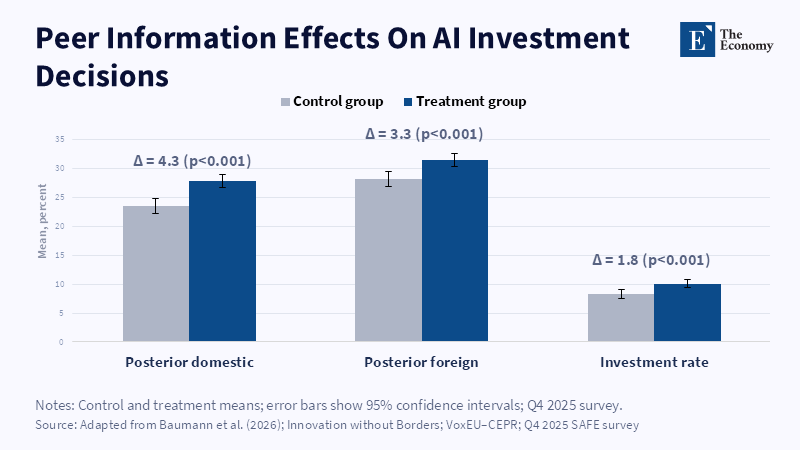
Note: Accurate peer information changes managers’ beliefs and raises planned AI investment by 1.8 percentage points. Related article: Europe’s AI Bo
Read More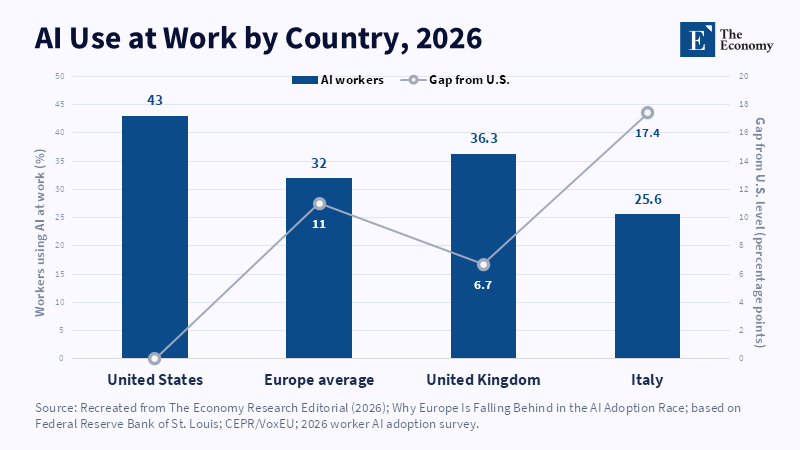
Note: Europe’s average worker AI use trails the United States by 11 percentage points, with a much wider gap in Italy. Related article: Europe’s AI B
Read More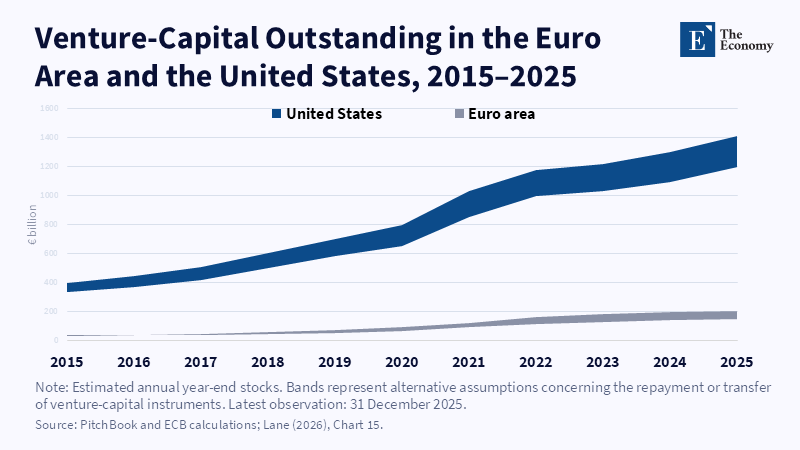
Note: The euro area’s smaller venture-capital base limits late-stage scaling and domestic ownership retention. Related article: Europe
Read More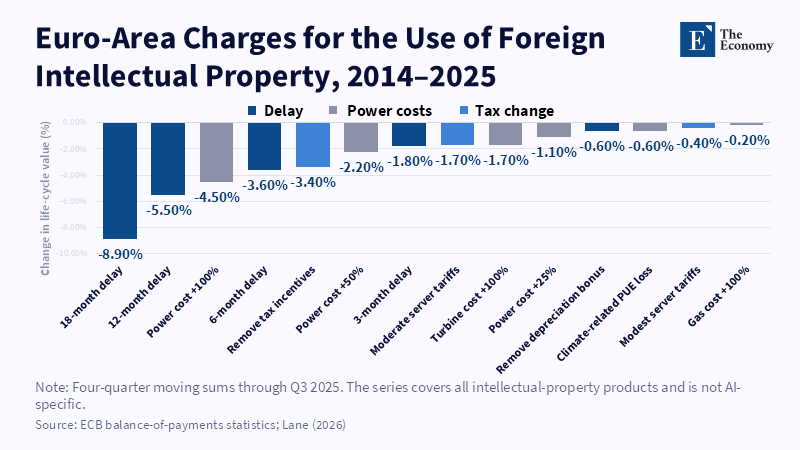
Note: Delays destroy more project value than higher electricity costs, making time to power a central constraint. Related article: Europ
Read More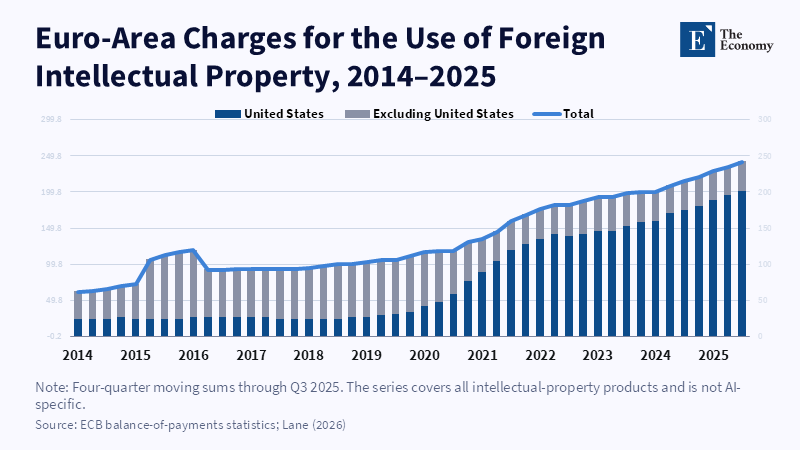
Note: Foreign-IP payments show how technology adoption can rise without equivalent domestic fiscal capture. Related article: Europe’s AI
Read More







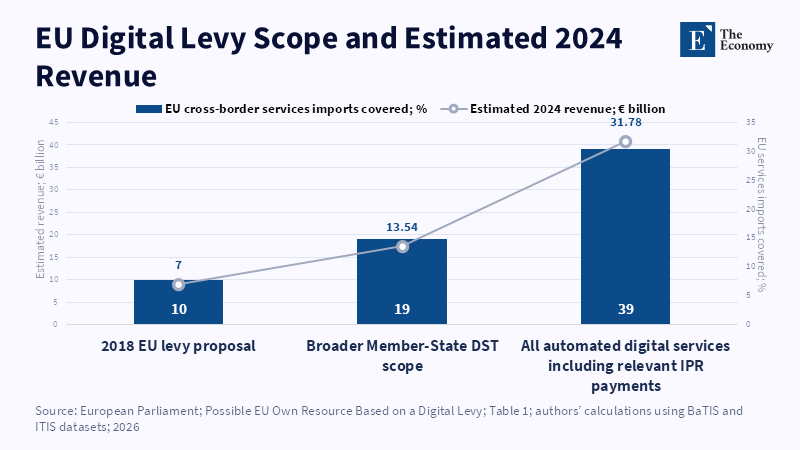
Note: Broader coverage raises more revenue but turns the levy into a wider tax on cross-border digital services. Related article: Taxing AI
Read More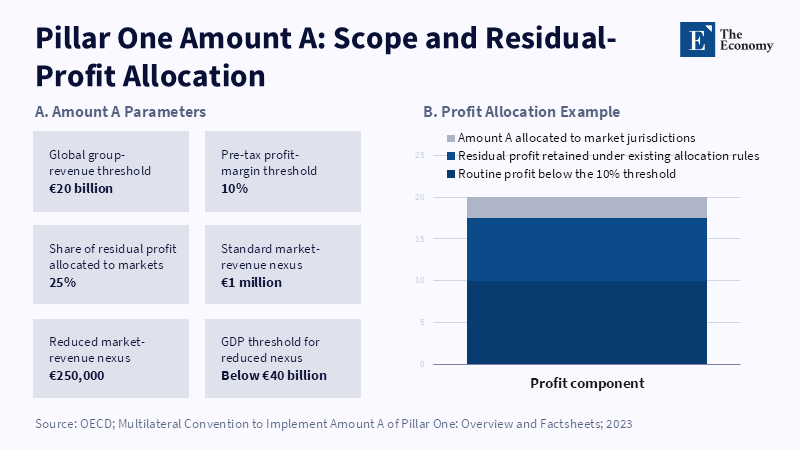
Note: Amount A would reallocate only 25% of profit above the 10% profitability threshold to eligible market jurisdictions.
Read More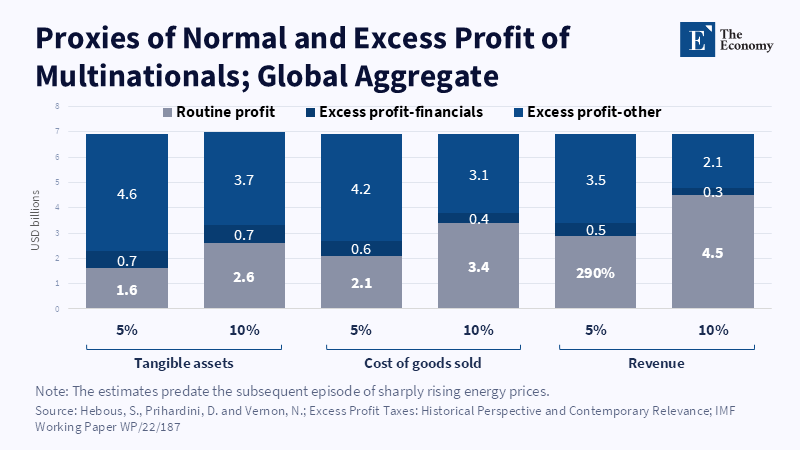
Note: The measured share of excess profit changes sharply with the benchmark used to define a normal return. Related article: Taxing AI Profi
Read More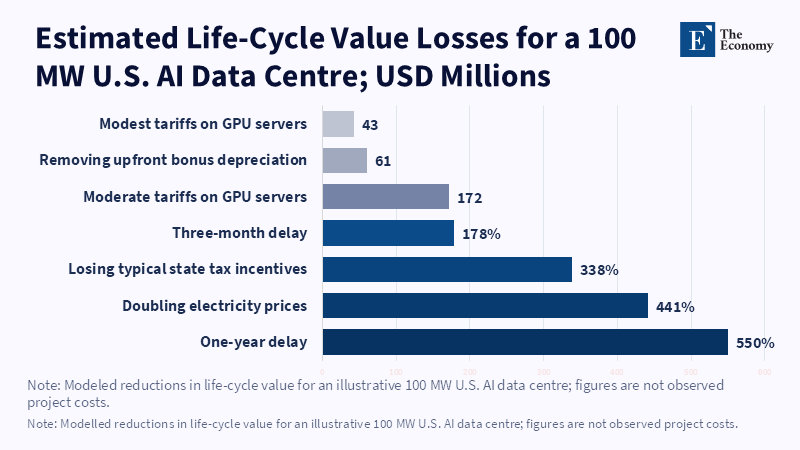
Note: Deployment delay can destroy more value than higher electricity prices or lost tax incentives, making time to power central to investment. Related article:
Read More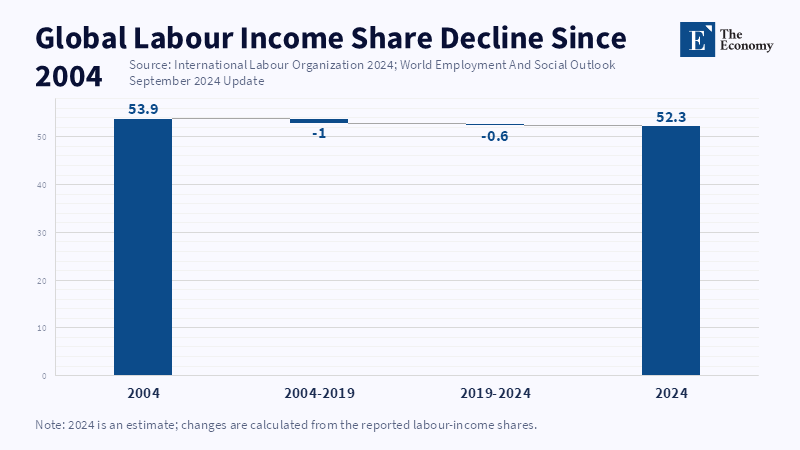
Note: Labour’s income share was already declining before widespread generative AI, leaving less room for further shifts toward capital. Related article:
Read More
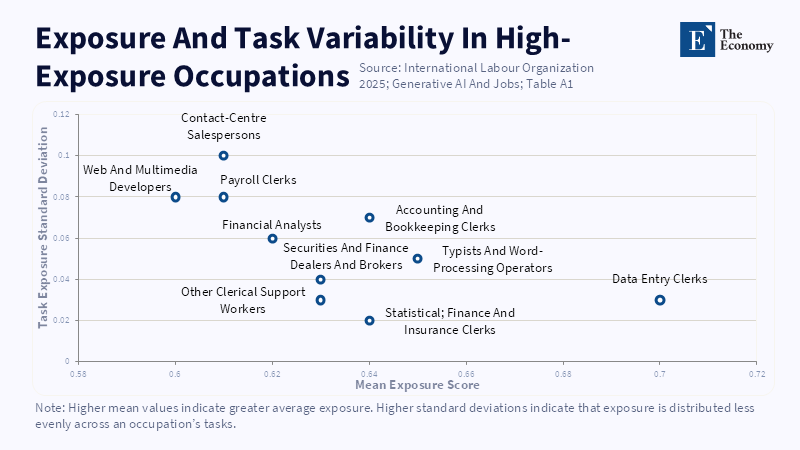
Note: Similar exposure scores can conceal different task structures—and therefore different displacement risks. Related article: Why AI Fis
Read More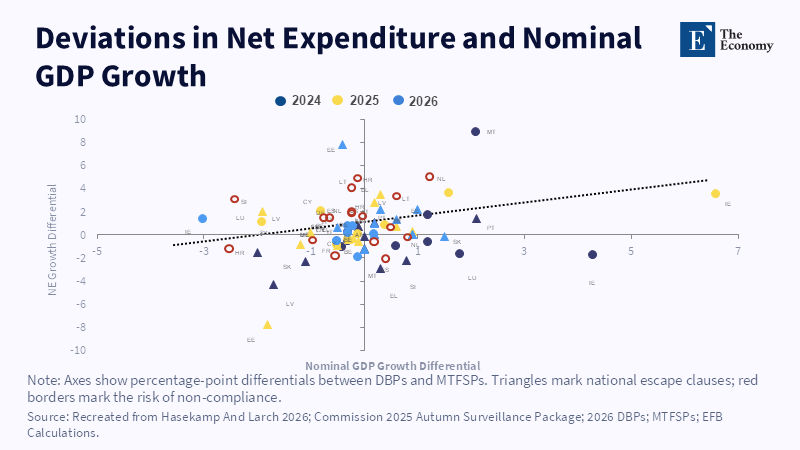
Note: Most observations remain procyclical, showing that expenditure plans still respond to short-term growth surprises.
Read More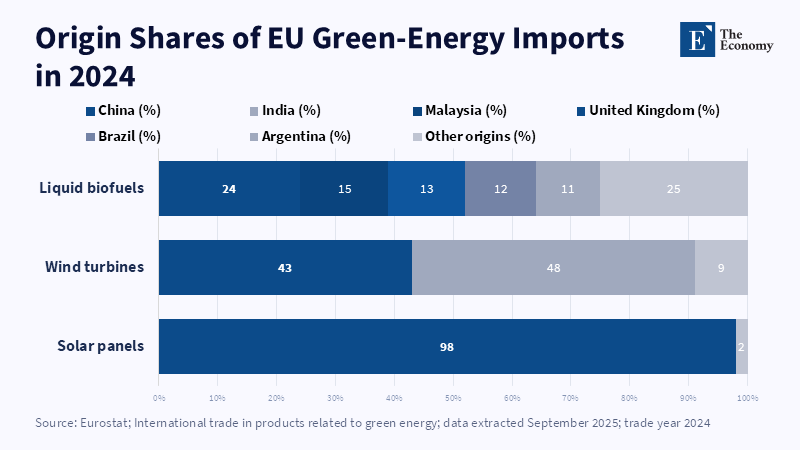
Note: Solar-panel sourcing is almost entirely concentrated in China, while wind turbines and liquid biofuels have broader—but still concentrated—supplier structures. Related article:
Read More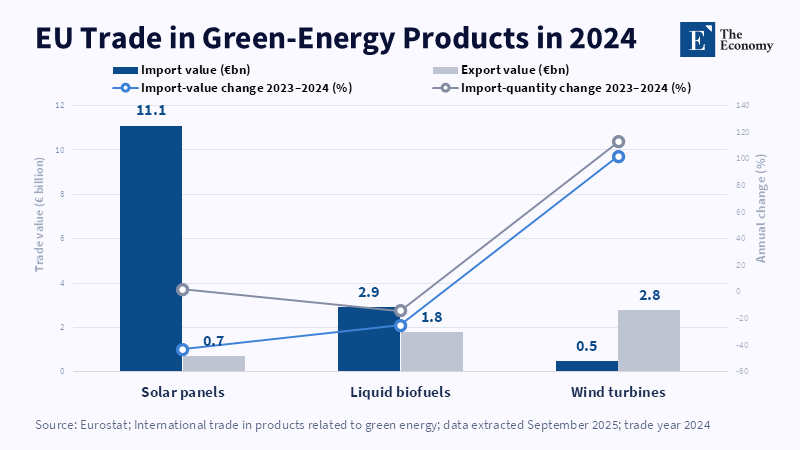
Note: Solar panels remain strongly import-oriented, whereas wind turbines retain an export surplus and recorded rapid growth in both import value and quantity. Related article:
Read More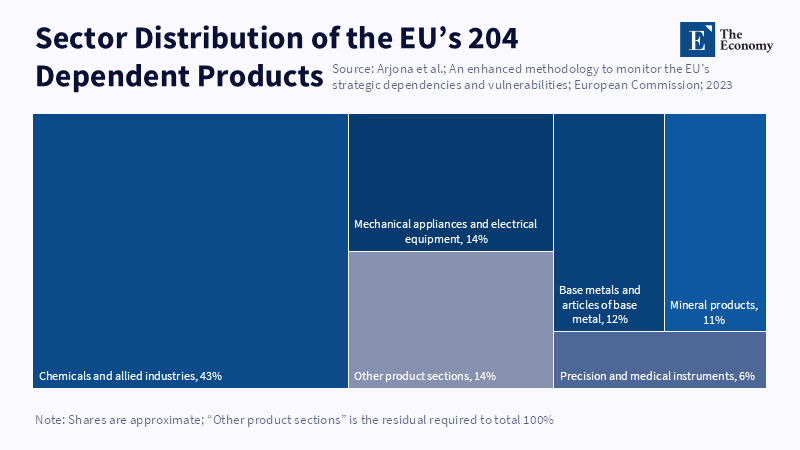
Note: Chemicals account for the largest dependency share, while machinery, metals, minerals, and precision goods together represent nearly half of identified products. Related article:
Read More
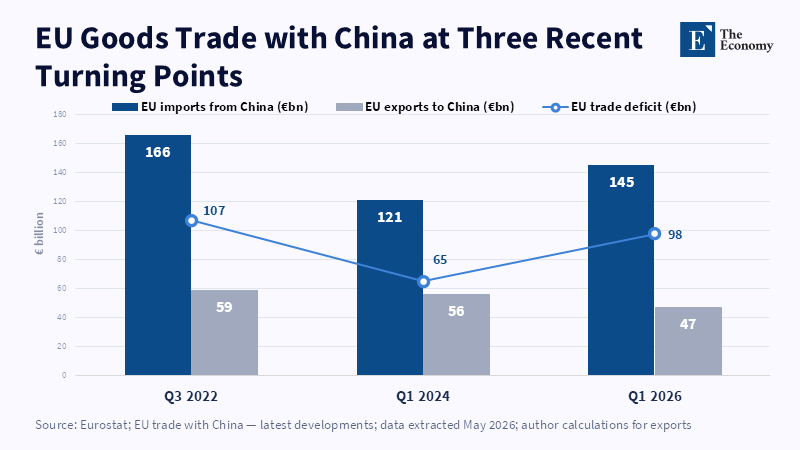
Note: The EU–China goods deficit narrowed after 2022 but widened again by Q1 2026 as imports recovered and exports weakened. Related article: [EU vs.
Read More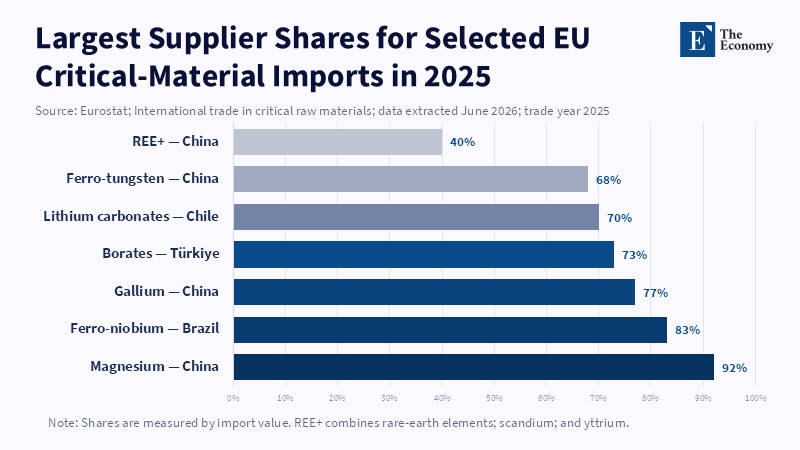
Note: Critical-material risk becomes strategic when supplier concentration meets weak substitution options. Related article: Europe’s China Risk Is Not
Read More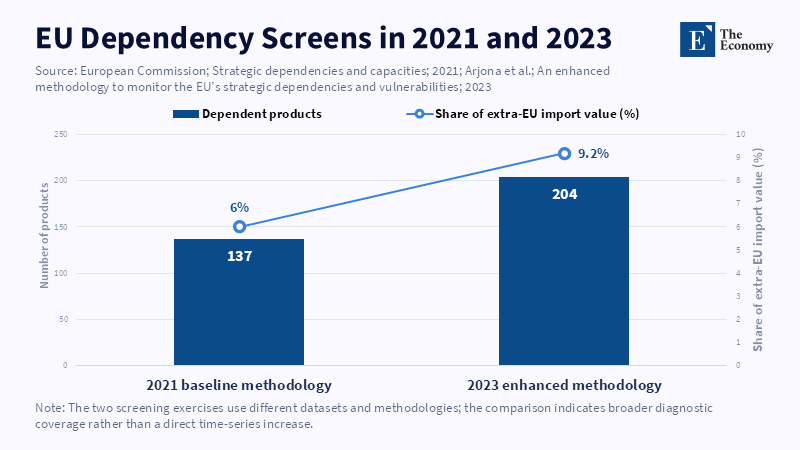
Note: Better screening shows that Europe’s dependency problem is narrower than headline import shares suggest. Related article: Europe’s China Risk Is N
Read More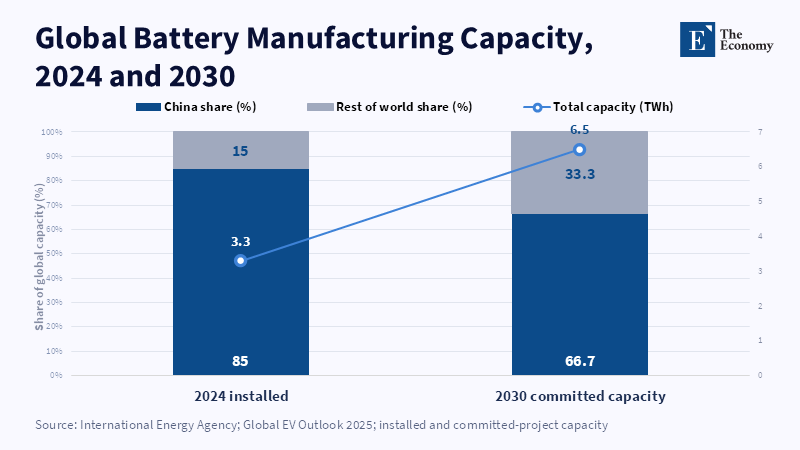
Note: Battery capacity is expanding, but the centre of gravity remains outside Europe.
Read More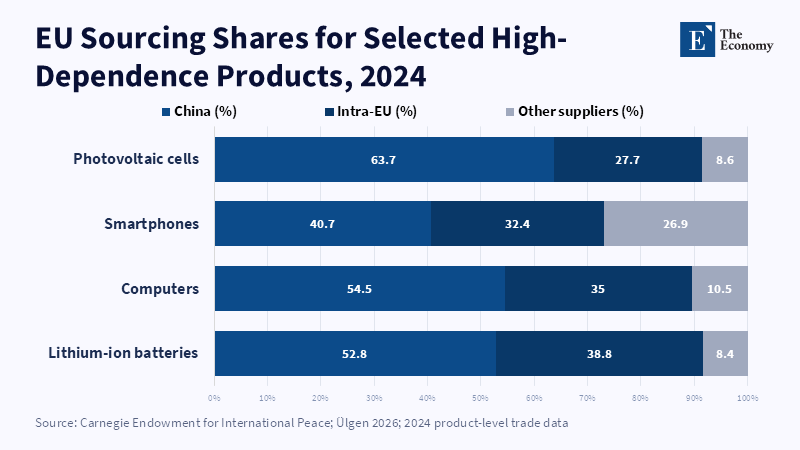
Note: Europe’s exposure is not confined to one sector.
Read More