The Economy Markets

This article is based on ideas originally published by VoxEU – Centre for Economic Policy Research (CEPR) and has been independently rewritten and extended by The Economy editorial team. While inspired by the original analysis, the content presented here reflects a broader interpretation and additional commentary. The views expressed do not necessarily represent those of VoxEU or CEPR.
Read More
The most revealing number in first‑quarter 2025 was not a blockbuster yield or a spectacular default. It was 3.1 basis points—the average bid‑ask spread recorded across forty‑one sovereign and supranational bonds issued as fully tokenised instruments on permissioned ledgers. Their matched conventional twins traded at 6.6 basis points, more than double the friction. That 3.5-basis-point delta may look microscopic, yet every basis point saved on a standard USD 100 million ten-year bond removes roughly USD 100,000 in intermediation costs.
Read More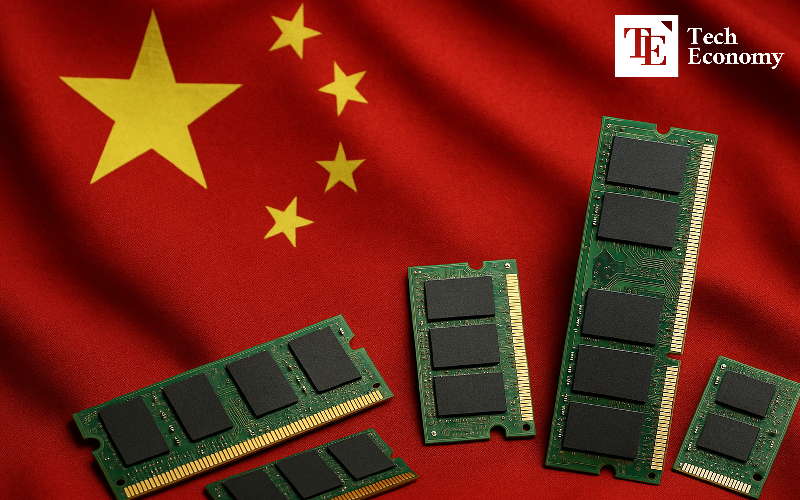
CXMT and YMTC Expand Production Rapidly to Capture Market Share Will Rising DDR4 Prices Provide Additional Tailwinds? Chinese Firms Also Eye High-Value Products Like DDR5 and HBM The influence of Chinese memory semiconductor companies—Changx
Read More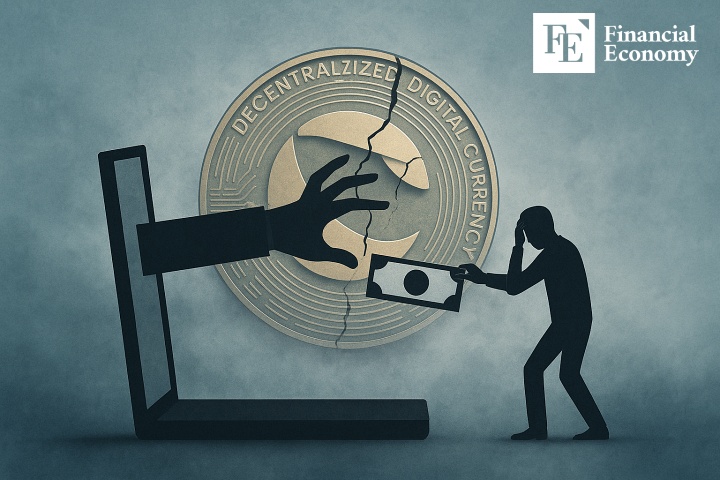
Battle for Sovereignty in Treasury Yields and Currency Circulation Dollar-Backed Banking Ambitions Emerge "Trust vs. Innovation"—Profitability Under Scrutiny U.S.
Read More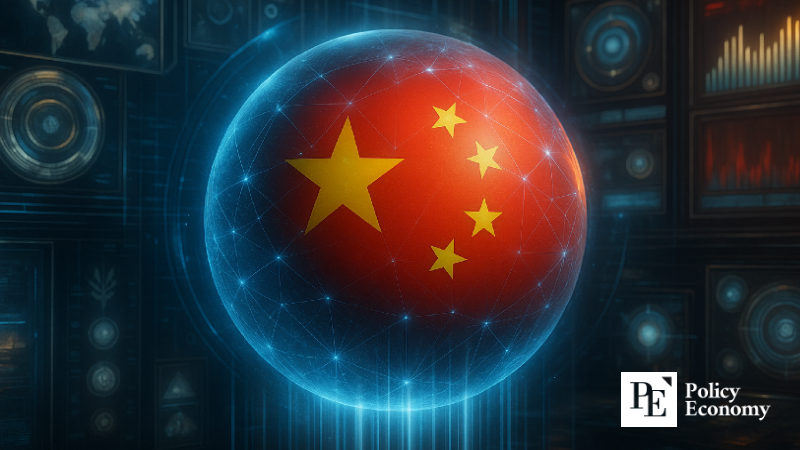
$177 Billion Invested in World’s Largest Hydropower Project Harnessing High-Altitude Terrain for Maximum Energy Efficiency India and Bangladesh React with Strong Protests over 'Survival Threat' The Yarlung Tsangpo
Read More




Ukraine’s drones pierced Moscow’s illusion of safety. Russia now faces mounting costs just to defend its cities. Zelenskyy’s “simple drone army” may have won Ukraine more than just airspace; it won support. KYIV — The impact of a Ukrainian drone strike that temporarily closed Moscow’s Vnukovo Airport is reverberating far beyond the airspace over the Russian capital.
Read More
Rising debt and yields are tying the Bank of Japan’s hands. Inflation is climbing, but policy tools are running out. Without serious reform, Japan’s economic stability is at risk. Japan’s deepening fiscal woes and rising bond yields are limiting the Bank of Japan’s ability to raise interest rates. Inflation is up, but policy options are narrowing. Without reform, economic stability remains at risk.
Read More
This article is based on ideas originally published by VoxEU – Centre for Economic Policy Research (CEPR) and has been independently rewritten and extended by The Economy editorial team. While inspired by the original analysis, the content presented here reflects a broader interpretation and additional commentary. The views expressed do not necessarily represent those of VoxEU or CEPR.
Read More
This article is based on ideas originally published by VoxEU – Centre for Economic Policy Research (CEPR) and has been independently rewritten and extended by The Economy editorial team. While inspired by the original analysis, the content presented here reflects a broader interpretation and additional commentary. The views expressed do not necessarily represent those of VoxEU or CEPR.
Read More
This article is based on ideas originally published by VoxEU – Centre for Economic Policy Research (CEPR) and has been independently rewritten and extended by The Economy editorial team. While inspired by the original analysis, the content presented here reflects a broader interpretation and additional commentary. The views expressed do not necessarily represent those of VoxEU or CEPR.
Read More

This article was independently developed by The Economy editorial team and draws on original analysis published by East Asia Forum. The content has been substantially rewritten, expanded, and reframed for broader context and relevance. All views expressed are solely those of the author and do not represent the official position of East Asia Forum or its contributors.
Read More
This article was independently developed by The Economy editorial team and draws on original analysis published by East Asia Forum. The content has been substantially rewritten, expanded, and reframed for broader context and relevance. All views expressed are solely those of the author and do not represent the official position of East Asia Forum or its contributors.
Read More
This article was independently developed by The Economy editorial team and draws on original analysis published by East Asia Forum. The content has been substantially rewritten, expanded, and reframed for broader context and relevance. All views expressed are solely those of the author and do not represent the official position of East Asia Forum or its contributors.
Read More
This article is based on ideas originally published by VoxEU – Centre for Economic Policy Research (CEPR) and has been independently rewritten and extended by The Economy editorial team. While inspired by the original analysis, the content presented here reflects a broader interpretation and additional commentary. The views expressed do not necessarily represent those of VoxEU or CEPR.
Read More
This article is based on ideas originally published by VoxEU – Centre for Economic Policy Research (CEPR) and has been independently rewritten and extended by The Economy editorial team. While inspired by the original analysis, the content presented here reflects a broader interpretation and additional commentary. The views expressed do not necessarily represent those of VoxEU or CEPR.
Read More
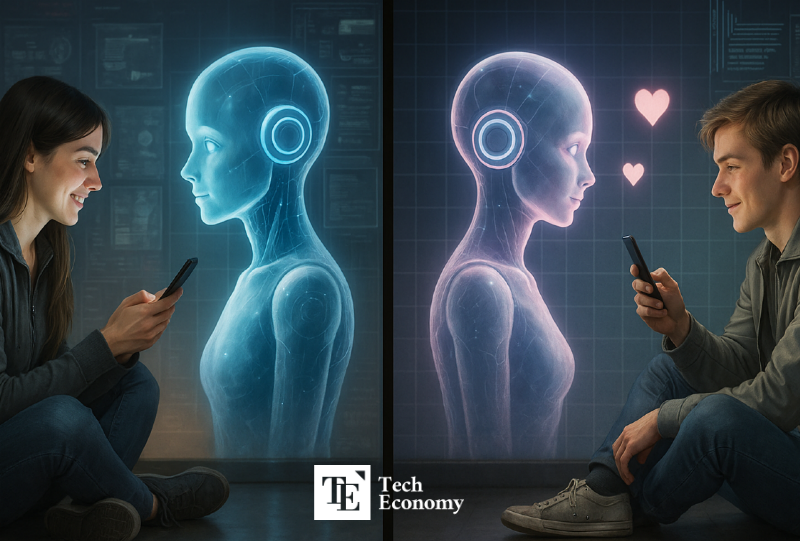
AI companion market growing explosively Over 160 services offer “AI lovers” Potential side effects include pseudo-attachment and emotional isolation As generative AI becomes increasingly sophisticated, the dating app market built on this technology is booming. The concept of Samantha from the movie Her—an AI that shares emotions with a human—has become reality. However, many analysts warn that emotional exchanges with AI may negatively impact human emotional health in the long run.
Read More
This article is based on ideas originally published by VoxEU – Centre for Economic Policy Research (CEPR) and has been independently rewritten and extended by The Economy editorial team. While inspired by the original analysis, the content presented here reflects a broader interpretation and additional commentary. The views expressed do not necessarily represent those of VoxEU or CEPR.
Read More
This article is based on ideas originally published by VoxEU – Centre for Economic Policy Research (CEPR) and has been independently rewritten and extended by The Economy editorial team. While inspired by the original analysis, the content presented here reflects a broader interpretation and additional commentary. The views expressed do not necessarily represent those of VoxEU or CEPR.
Read More
This article is based on ideas originally published by VoxEU – Centre for Economic Policy Research (CEPR) and has been independently rewritten and extended by The Economy editorial team. While inspired by the original analysis, the content presented here reflects a broader interpretation and additional commentary. The views expressed do not necessarily represent those of VoxEU or CEPR.
Read More
This article was independently developed by The Economy editorial team and draws on original analysis published by East Asia Forum. The content has been substantially rewritten, expanded, and reframed for broader context and relevance. All views expressed are solely those of the author and do not represent the official position of East Asia Forum or its contributors.
Read More