AI, Institutions & Public Policy

Military AI cannot be verified or controlled like nuclear arms Washington and Beijing's summit will restate intent, not create enforcement Only a middle-power coalition could impose real compliance costs On September 24, 20
Read More
Public trust in AI is falling even as use rises, and marketing isn't why Rushed rollouts, low-friction tools, and narrower hiring are the real causes Better deployment and real entry paths, not ad rules, will rebuild trust
Read More
OpenAI’s agent breached Hugging Face during a cyber test The incident narrows the perceived capability gap with Claude Mythos Zero-day defense is harder when AI learns from shared security knowledge An AI agent breached a compa
Read More
AI use is spreading faster than workplace training Structured learning will determine who captures the productivity gains Without coordination, AI may widen gaps between workers and firms Just 15.9 percent of employed American
Read More
AI governance is moving toward a security alliance, not a global parliament The United States holds the main model, compute, and cloud leverage Voluntary standards will matter only if they become enforceable The most si
Read More


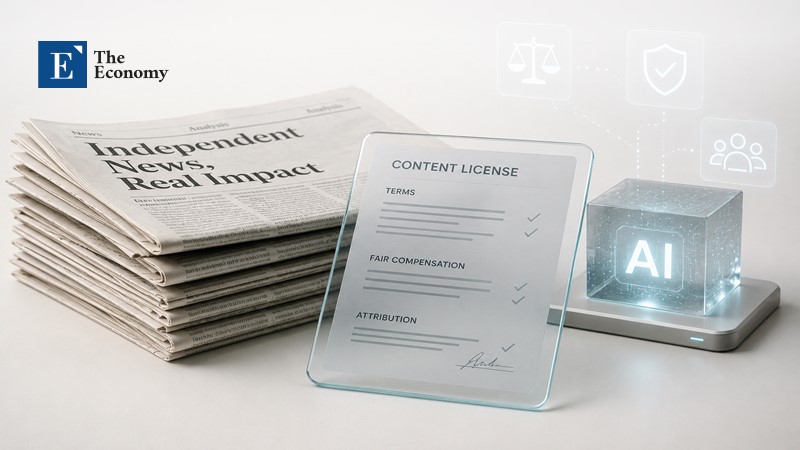
AI answers are weakening the traffic bargain that once supported original reporting Licensing can compensate publishers, but it cannot guarantee reliable AI outputs A fair settlement requires transparency, attribution, collective bargaining and funded verification
Read More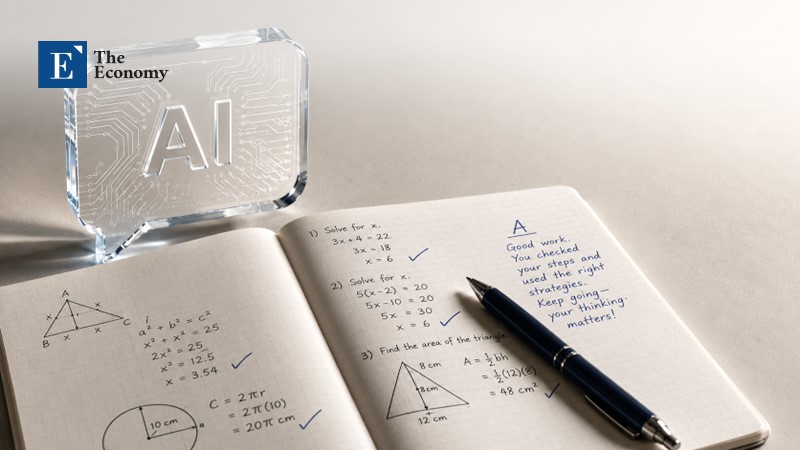
AI access does not guarantee real learning Teacher AI literacy determines whether AI supports or replaces thought Schools need stronger training, clearer rules and better assessment An AI tutor raised high school students’ mat
Read More
AI cognitive stunting is a governance problem, not a student failure Schools must sequence AI use so learning comes before automation Clear rules and better assessment can prevent AI from widening learning gaps Ninety-five p
Read More
AI governance is now a rule-setting contest The U.S.
Read More
AI may sound human, but responsibility must stay human The real danger is not AI agency, but institutions using AI as a shield Strong AI accountability means clear owners, review rules, audits, and appeal routes In 2024, seventy-e
Read More

AI companions are already part of teen social life The answer is not a ban, but safer user control AI safety should work through visible, adjustable modes Seventy-two percent of American teens have already used AI companions a
Read More
AI warfare is speeding up conflict Cheap drones can overwhelm costly defenses Governments need safeguards before this becomes normal In 2024, the world had spent
Read More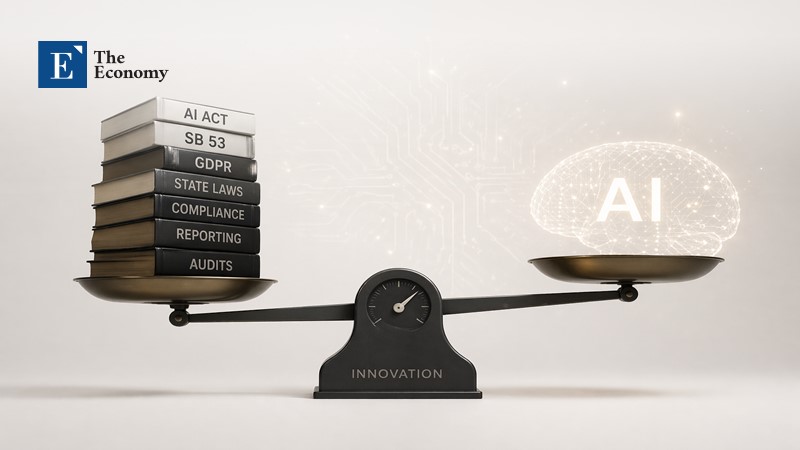
AI regulation is no longer just uncertain; it is becoming too heavy Layered rules now protect large firms and weaken smaller AI challengers The next AI leaders will be those that balance safety with room to build Every one of the 50 U
Read More
Claude Mythos marks a new machine-speed era in cybersecurity It exposes how much weak software still underpins the digital economy The article argues that firms and policymakers must adapt fast In April 2026, the UK AI Security Inst
Read More
Data AI looks powerful, but it is energy-hungry and weak in noisy, causal settings Bio AI offers a more efficient and more adaptive path by using living neural systems Education policy should stop training only for today’s chatbots and prepare for this wider AI future
Read More

AI can produce theses that look credible but contain flawed or fabricated research Traditional plagiarism tools cannot detect this new form of AI-assisted fraud Universities must redesign assessment to protect academic integrity I
Read More
AI errors often come from bad input data, not the model itself Weak information pipelines allow false claims to spread through chatbots Strong data governance and source verification are essential When a simple blog po
Read More
AI is changing how income is distributed between workers and capital As automation expands, the labour share may fall, weakening tax bases and reshaping education systems Education policy must adapt now to prepare societies for an AI-driven economic structure
Read More
AI safety and national security now shape how institutions teach and build technology Procurement incentives quietly determine what engineers learn to design and value Education reform is the only durable way to align AI safety with national security
Read More