
The Economy Research Editorial*
Read More
China’s export-led growth model is reaching its limits Without structural reform, weak demand and labour strain will grow China’s next phase depends on stronger domestic foundations Nearly one-third of that 5% expansi
Read More
Two-party politics can deepen division Elections often sharpen polarized rhetoric Democracy may need new incentives The old promise of two-party democracy was that competition would push politicians toward the middle.
Read More
Gig work is growing faster than worker protection The US is still fragmented; India is moving toward broader coverage The real issue is basic security for flexible workers In New York, some app food delivery workers w
Read More
More women in office does not automatically produce better outcomes for women Legislative behavior is shaped by ideology, party structure, and local social norms, not gender alone The real test is not who enters the room, but what the institution does once power is exercised
Read More



Scam compounds can be closed, but the network behind them often survives The real test is whether the money, telecom, and command structure are broken Without that, the crackdown stays visible but incomplete
Read More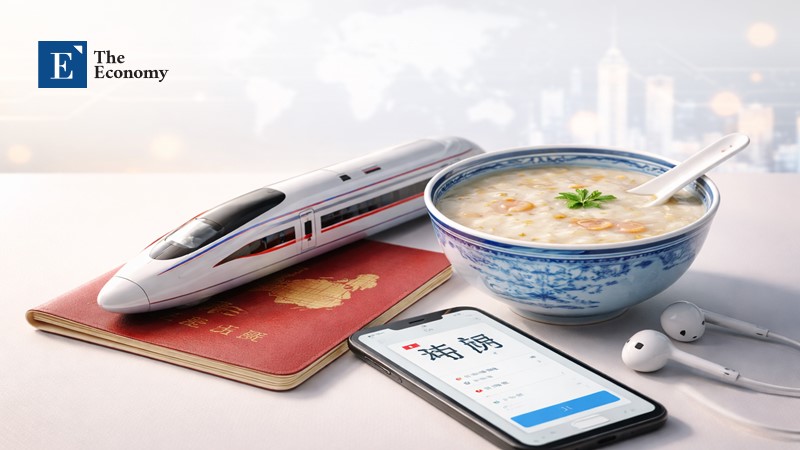
China Maxxing is becoming a real soft power test for China Its future depends on whether it is a passing trend or a deeper cultural shift If it lasts, it could mark the start of a broader C-culture wave At present, China ranks second
Read More
UK tax changes are sending stronger exit signals to mobile wealth Dubai is turning tax clarity into a real platform for family offices and capital Britain risks slow competitive drift if it raises taxes without a stronger locational offer
Read More
Gig jobs can pull excluded immigrants into legal work When regular jobs are blocked, platform work can support stability Europe should use gig work as a bridge, not a destination Europe is facing a shortag
Read More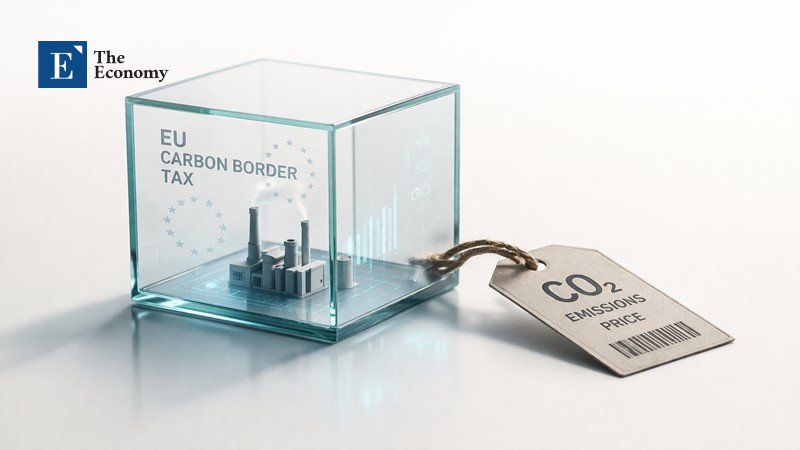
The EU carbon border tax works like a green trade barrier for many non-EU firms It may help EU producers now, but that edge will not last Without technology transfer, it risks becoming protectionism, not fair climate policy
Read More
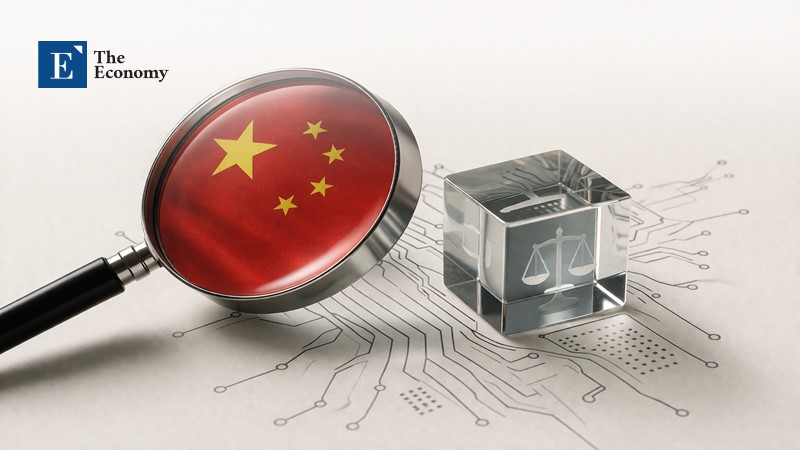
Purges shake elites but do not replace relationships with rules China’s problem is structural: guanxi still outweighs formal rules Real reform means rules—not people—decide outcomes According to Transparency Intern
Read More
China’s energy rise is now a story of renewable energy security, not only emissions Its real advantage is not just hardware, but the education and training system behind it Countries that teach energy skills well will be less exposed to future oil and power shocks
Read More
The Economy Research Editorial*
Read More
The Economy Research Editorial*
Read More
Non-oil commodity shocks, not oil, are now driving inflation and disruption These shocks spread into education through food, materials, and technology costs Education policy must adapt to supply-chain risks, not just energy shocks
Read More
China makes deals, but not deep commitments Partners can profit, but they cannot count on protection That keeps China’s influence useful, yet conditional In 2025, China imported roughly 1.38 million barrels of Iranian oi
Read More
Broad toxicity rules can distort lawful political speech and narrow debate Platforms should remove illegal and clearly harmful content, not ideological disagreement User-controlled filtering and ranking offer a better balance between safety and free expression
Read More
Data sharing can lower prices, but it also rewards weaker insurers at the expense of stronger ones Clearer shared risk data helps competition, but it can hurt higher-risk drivers The best policy shares core facts without killing innovation or insurability
Read More
The Economy Research Editorial*
Read More
War shrinks the future talent base Britain and Ukraine show the loss lasts for decades Education recovery is core to national recovery More than 750,000 British servicemen died in the First World War. Most were young.
Read More