

Currency risk can turn liquidity into panic Credit Suisse exposed that weakness Swiss TBTF reform shifts the burden back to banks Global foreign exchange reached
Read More
Taiwan fears the US may hesitate in a crisis That doubt could weaken deterrence before war begins Clearer allied planning is needed to prevent China from misreading silence More than twenty-three million people
Read More
AI standards are the only realistic truce in the US-China AI race Rivals may not trust each other, but they can still agree on basic safety rules Without shared standards, AI competition will become more costly, fragmented, and dangerous
Read More
AI boosts output, but may weaken jobs Less work means weaker demand Training must come before displacement
Read More
The Economy Research Editorial*
Read More







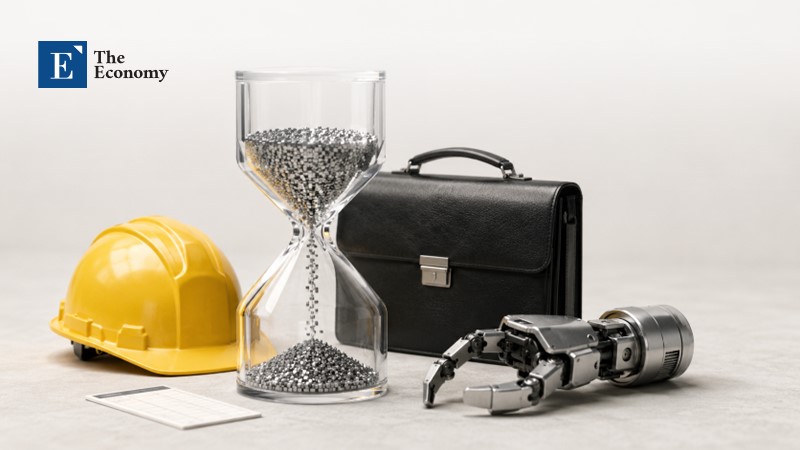
AI will reshape work unevenly, not all at once The real risk is losing entry-level career ladders Policy should track labor signals and act before shocks deepen Among the AI Labor Transition, what is meaningful is not a
Read More
Monetary policy shocks often begin as interpretation failures, not true surprises Newspaper coverage, market reports and investors can distort the central bank’s original signal LLMs may help expose where human bias enters the policy communication chain
Read More
China’s property crisis is really a capital crisis The state can delay panic, but not restore trust by force China must shift from land-led growth to household and productivity-led growth Investment in housing in China has h
Read More
China’s ethnic unity law shifts fairness toward shared national rules The U.S.
Read More
China’s industrial rise is not built on subsidies alone Its real advantage is the link between factories, finance, schools, labor, and state planning The West can copy parts of China industrial policy, but not the full national system behind it
Read More
The Economy Research Editorial*
Read More
Iran cannot trade nuclear leverage for reversible sanctions relief Hormuz can sync retreat, but not restore trust A real deal needs an enforceable sanctions guarantee About twenty percent of the world's oil and LNG
Read More
India’s IPO boom is growing faster than its market depth Thin liquidity makes many new stocks volatile after listing Reform must build patient investors, wider float, and stronger post-IPO trading Only 9.5% of Indian hous
Read More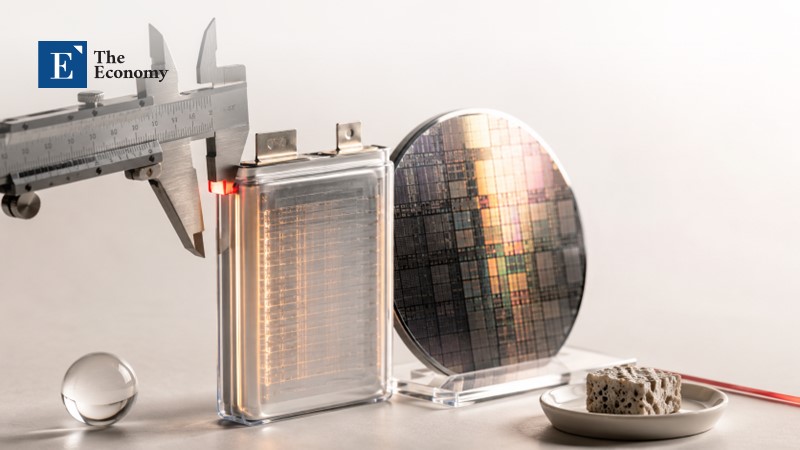
China is turning frontier science into a new quality strategy The real test is whether research depth can build global trust “Made in China” may soon mean reliability, not just low cost In 2024, China hit a
Read More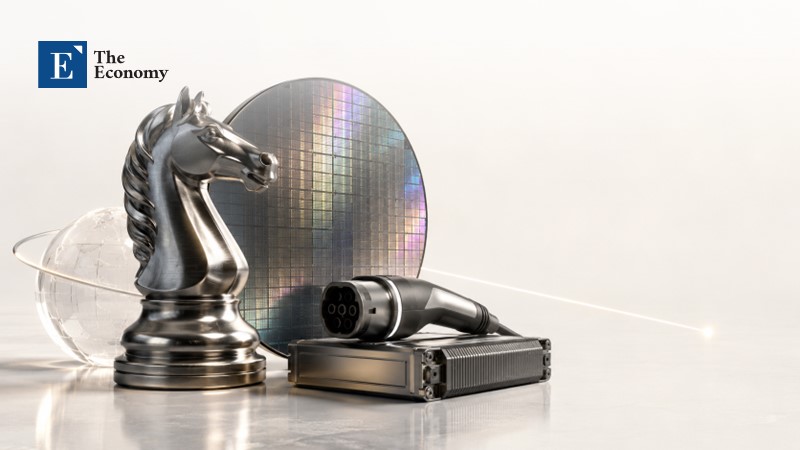
Trade can support peace, but only when dependence is balanced China’s EV dominance shows why openness can become strategic risk A real peace dividend now depends on AI hardware, resilient supply chains, and allied industrial strength
Read More

Europe’s peace dividend is ending Defence independence is becoming a political necessity Europe must now build its own security capacity Europe's peace dividend can be reduced to one sharp turnaround.
Read More
The Economy Research Editorial*
Read More
The Economy Research Editorial*
Read More
Cross-border capital buffers can make one country safer while shifting risk to another Multinational banks expose the limits of national financial regulation Global coordination is now the hardest test for macroprudential policy
Read More
Data center jobs are real, but most local gains happen during construction After launch, many software and operations jobs can be done remotely Dense regions should approve data centers only when land, power, and local jobs justify the trade-off
Read More