
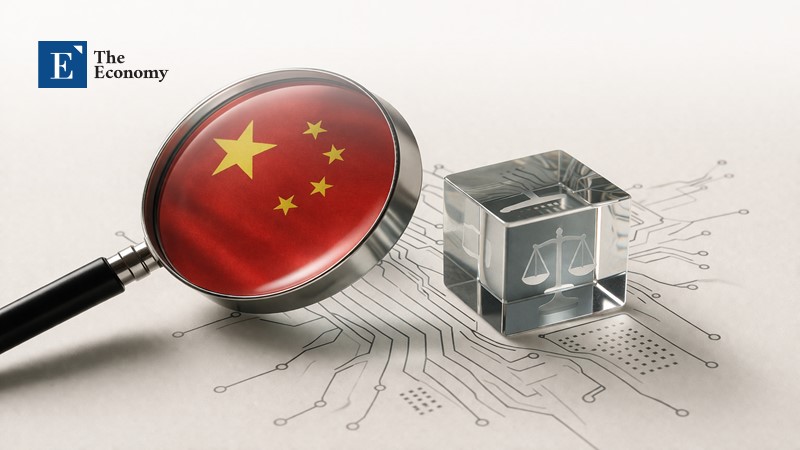
Purges shake elites but do not replace relationships with rules China’s problem is structural: guanxi still outweighs formal rules Real reform means rules—not people—decide outcomes According to Transparency Intern
Read More
China’s energy rise is now a story of renewable energy security, not only emissions Its real advantage is not just hardware, but the education and training system behind it Countries that teach energy skills well will be less exposed to future oil and power shocks
Read More
The Economy Research Editorial*
Read More
The Economy Research Editorial*
Read More
Non-oil commodity shocks, not oil, are now driving inflation and disruption These shocks spread into education through food, materials, and technology costs Education policy must adapt to supply-chain risks, not just energy shocks
Read More



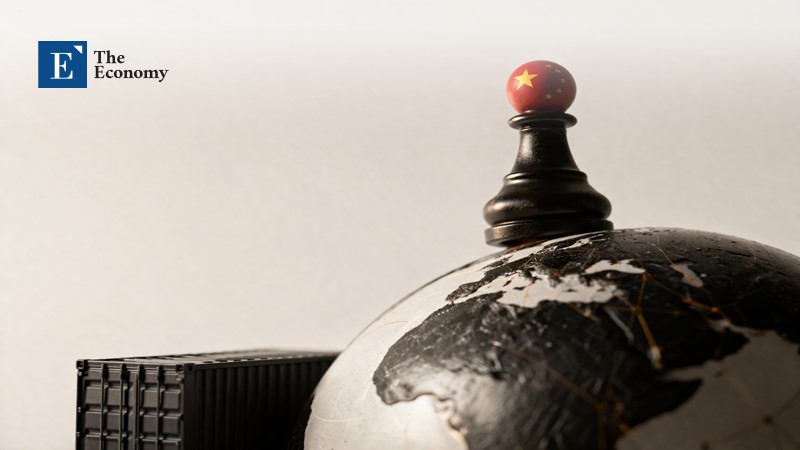
China makes deals, but not deep commitments Partners can profit, but they cannot count on protection That keeps China’s influence useful, yet conditional In 2025, China imported roughly 1.38 million barrels of Iranian oi
Read More
Broad toxicity rules can distort lawful political speech and narrow debate Platforms should remove illegal and clearly harmful content, not ideological disagreement User-controlled filtering and ranking offer a better balance between safety and free expression
Read More
Data sharing can lower prices, but it also rewards weaker insurers at the expense of stronger ones Clearer shared risk data helps competition, but it can hurt higher-risk drivers The best policy shares core facts without killing innovation or insurability
Read More
The Economy Research Editorial*
Read More
War shrinks the future talent base Britain and Ukraine show the loss lasts for decades Education recovery is core to national recovery More than 750,000 British servicemen died in the First World War. Most were young.
Read More
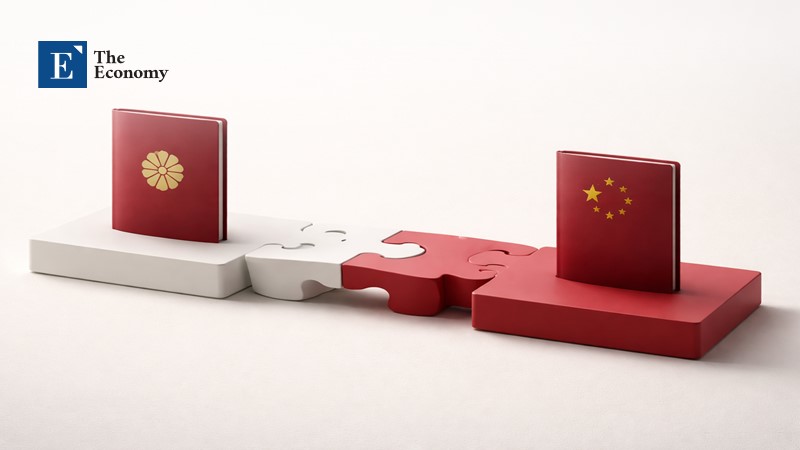
Japan needs Chinese workers and students, but not yet true social acceptance Education policy can reduce exclusion, but it cannot erase deep political and cultural barriers quickly The real test is whether Japanese institutions stay fair as distrust of China grows
Read More
Trump’s science council looks more like billionaire influence than real expertise That risks wasting public money on tech hype instead of sound science A real science agenda needs scientists with power, not just one for show O
Read More
Data AI looks powerful, but it is energy-hungry and weak in noisy, causal settings Bio AI offers a more efficient and more adaptive path by using living neural systems Education policy should stop training only for today’s chatbots and prepare for this wider AI future
Read More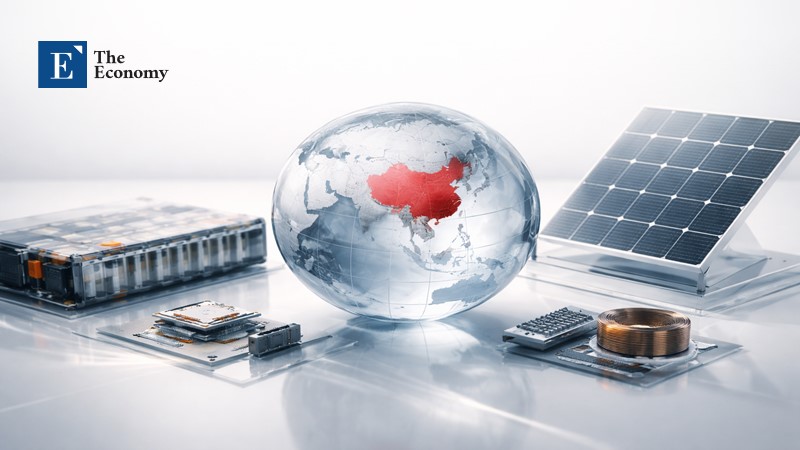
China now shapes more than growth, trade, and prices In key sectors, its spillovers can weaken other countries’ industrial capacity Education policy must respond or skills will lose their economic value In 2024, China was responsib
Read More
Fiscal consolidation is harder when inflation is driven by energy shocks and war Monetary policy cannot always cushion austerity in a supply-shock economy Governments should protect education and core public investment while restoring fiscal credibility
Read More

China’s trade edge is built, not accidental Education and industrial policy now shape national competitiveness together Tariffs alone will not close the gap China’s trade surplus is usually framed as a price problem.
Read More
AI in education now depends on physical compute, not just digital tools Data centre location, grid pressure, and cloud access will shape who gets reliable AI support Education policy must treat AI infrastructure as a new layer of inequality
Read More
The Economy Research Editorial*
Read More
Mortgage repricing shapes consumption more than many policymakers assume Lower-income borrowers feel the pressure first, and the effects last beyond rate moves Education budgets should track mortgage exposure as closely as inflation or wages
Read More
European Union has 4.4 million openings for 12.9 million jobseekers Skilled-visa fast tracks can ease the crunch Failing to act now risks stronger populist backlash and deeper economic stagnation According to a D
Read More