

Remote work is driving an 8 percent jump in births That fertility boost stabilises future school enrolment at virtually no public cost Governments should embed flexible work as core demographic infrastructure In 2
Read More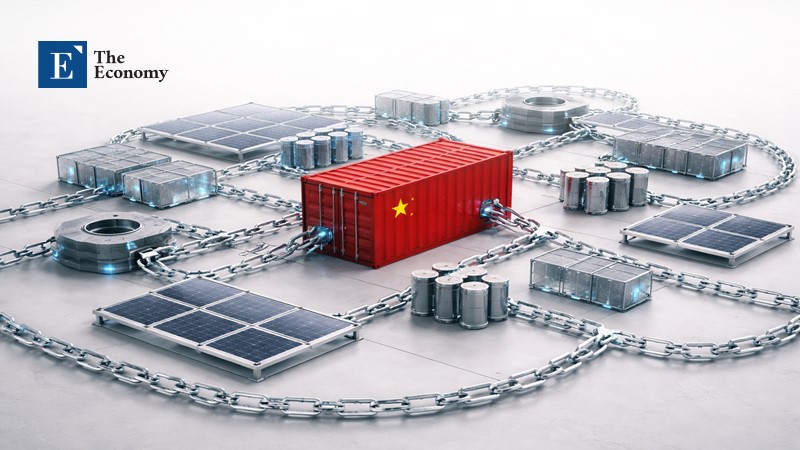
China’s subsidies distort trade and weaken global competition They give China power across the whole supply chain Fair trade now needs rules that restore balance In 2024, approximately 75% of new electric vehicle ba
Read More
The Economy Research Editorial*
Read More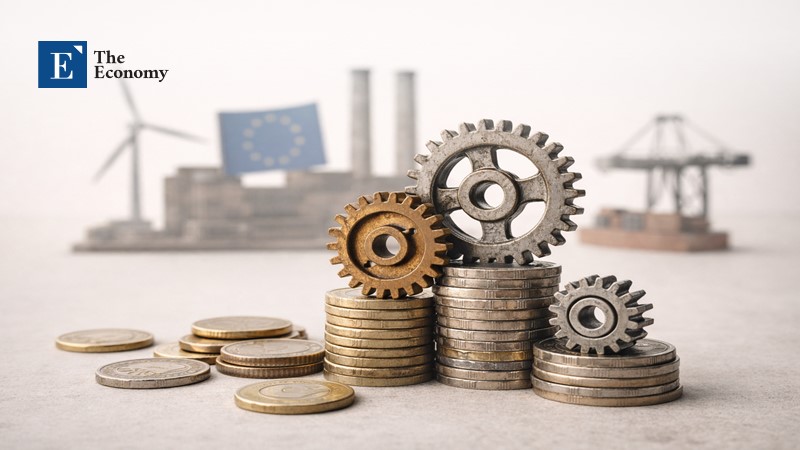
Europe’s productivity lags mainly because high labour costs push firms to scale elsewhere Silent process innovations thrive, yet much value escapes when production is off-shored Cutting the domestic cost of work is the decisive step for renewed European growth
Read More
CBDC neutrality feeds outgoing funds straight back to banks, keeping the system calm Automatic, wide-access backstops can avert SVB-style stampedes in sovereign digital money We must lock neutrality into courses, drills, and law before the next flash run arrives
Read More






Gold is rising, but the dollar still anchors the system Reserve currencies change only when power shifts run deep Today’s trend is diversification, not real displacement The US dollar’s role as the main global reserve currency is w
Read More
Rapid ageing is shattering Asia’s cherished iron rice bowl security Japan, South Korea and China each face pension gaps despite different fiscal strengths Embedding lifelong learning into work policies is the region’s best path to sustainable pensions
Read More
Digital markets are moving from dynamic pricing to personalized pricing That shift lets firms charge people based on data, not just supply and demand Consumer protection now needs a right to a fair, impersonal price 93% of onli
Read More
Supply chain risk goes far beyond rare earths Hormuz now matters for tech inputs, not just energy Resilience needs diversification and better risk mapping In 2024, the Strait of Hormuz facilitated over one-quarter of global sea
Read More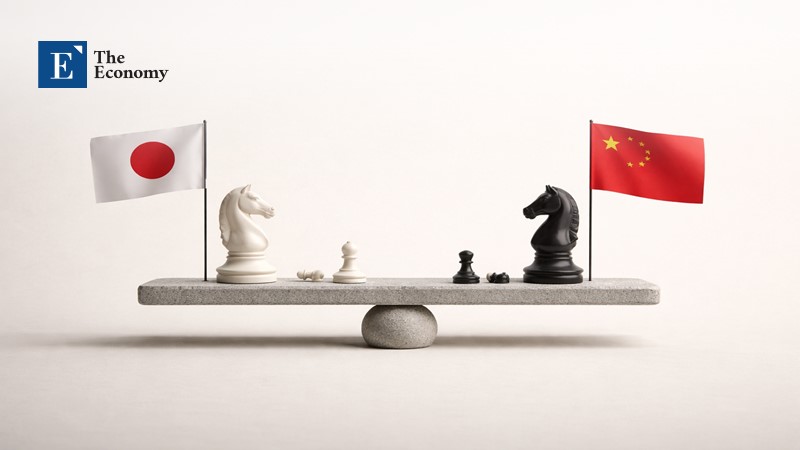
Japan cannot base China policy on dislike alone China’s innovation scale makes selective engagement necessary Japan needs pragmatic China literacy, not emotional distance In 2024, China submitted 70,160 international patent app
Read More

Japan proves China dependence is hard to replace, even after years of effort The real task is de-risking, not full decoupling That means coordination, processing capacity, and skilled labor Fifteen years after
Read More
Urban density reduces the cost of accessing jobs, education, and daily services When supported by housing and transport, concentration increases efficiency and opportunity The real risk is not density, but scarcity that turns access into exclusion
Read More
Europe’s energy shock did not end in 2022 Poor households cut other essentials before they cut heat or power That is why targeted energy subsidies now matter for both welfare and education Targeted energy subs
Read More
Carbon pricing fails when it looks flat but hits younger and poorer households hardest The real burden comes through wages and living costs, not just energy prices Only progressive carbon pricing can make climate policy both effective and politically durable
Read More
A long Iran war would weaken US focus in Asia even without a formal strategic shift China could gain leverage in East Asia simply by letting Washington stay stuck in the Gulf A fast, limited end to the conflict would help the US contain both Iran and China at once
Read More

China’s economic pressure on Japan has strengthened Takaichi instead of weakening her Beijing’s coercion has raised public support for a tougher Japanese security and trade stance The more China escalates, the more it helps the leader it wants to contain
Read More
AI can raise productivity without creating enough jobs to offset the losses Unlike the China shock, the AI shock may keep production at home while still weakening careers The real policy challenge is not just skills, but who captures the gains from automation
Read More
AI is shifting income from wages to profits and capital That will intensify wealth-tax, capital-tax, and AI-tax debates If governments wait, unemployed growth will weaken fiscal legitimacy According to data compiled by
Read More
AI-driven job losses slash labour income and VAT, straining European Union budgets. Public demand for universal basic income surges just as tax capacity erodes. Digital VAT enforcement, a rent surtax, and automatic income top-ups offer a solvency lifeline.
Read More
AI can raise business output while shrinking labour’s share of income That weakens household demand first in B2C sectors, then spreads across the wider economy Without broader distribution of AI gains, growth may continue, but it will become narrower and more fragile
Read More