

Markets already price a startup's future U.S. expansion, rewarding CEOs with multinational track records European founders now treat U.S.
Read More
More new PhDs enter industry than academia, but employer screening is narrowing Recruiters often see university pedigree before the research behind a doctorate Closing the gap requires better corporate roles, evaluation methods and career paths
Read More
Japan doubled defense spending in three years; Europe still argues over percentages Germany faces the same China shock Japan absorbed decades ago, only slower Japan's soft power now outpaces France's, a shift Europe has barely noticed
Read More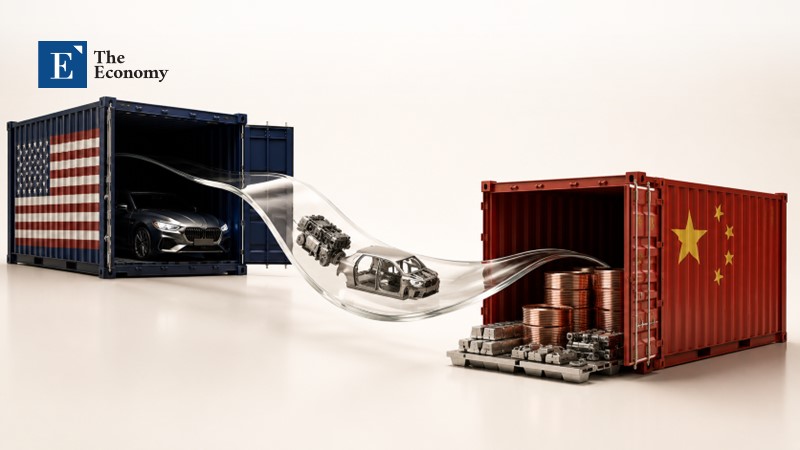
The EU got Japan's tariff rate in 2025, ranking it a managed market, not an equal Chinese EV tariffs failed; car exports rose 26% the next year anyway Japan's faster defense buildup is a playbook Europe hasn't seriously adopted yet
Read More
QE saved 2008 without inflation but fueled a 40-year high in 2021 The difference was the regime: deep slack in 2008, near-full employment in 2021 Supply shocks plus unspent savings turned overheating risk into a real inflation surge
Read More








Lower birth rates predict higher GDP per worker, not decline Labor scarcity drives technology, not economic shrinkage AI and robots may be repeating that pattern now, starting with China A one-percentage-point drop in a country
Read More
Lower switching costs make deposit rates respond faster to central-bank moves The same digital convenience can accelerate deposit flight during stress Bank supervision must now operate in hours, not weeks On March 9, 2023,
Read More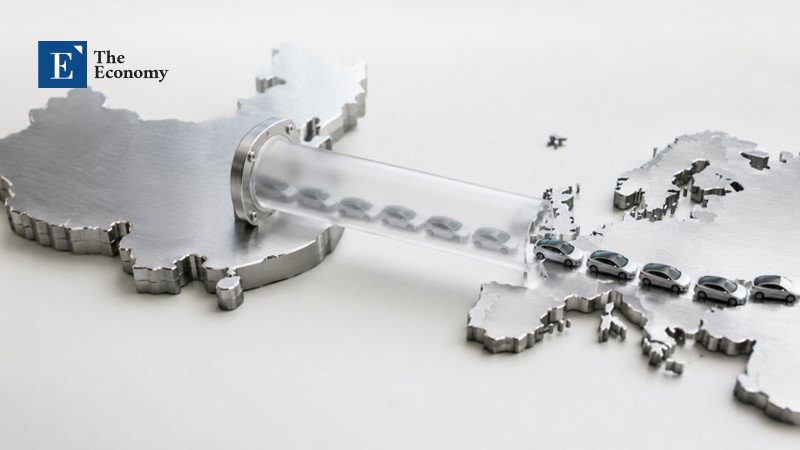
China’s export-first strategy delivered a record $992 billion surplus in 2024 Heavy subsidies helped Chinese industries, especially EVs, outpace Western competitors China and the West are now managing rivalry, not pursuing convergence
Read More
Student AI use is already the baseline Institutional policy and staff capability still lag Better assessment design turns AI into learning The share of UK undergraduates who told the
Read More
Public trust in AI is falling even as use rises, and marketing isn't why Rushed rollouts, low-friction tools, and narrower hiring are the real causes Better deployment and real entry paths, not ad rules, will rebuild trust
Read More

The Economy Research Editorial*
Read More
Debt-service costs reveal fiscal pressure better than debt ratios alone Financing conditions determine when high debt becomes a real budget constraint Caribbean economies show why volatile states need wider fiscal buffers A ten p
Read More
Professional civil services limit the economic damage linked to populist rule Patronage replaces expertise with loyalty and weakens public performance Merit-based hiring protects growth, contracts and institutional stability
Read More
Occupational licensing has expanded far beyond high-risk professions Entry barriers can raise incumbent income while restricting competition Reform should preserve necessary licences but remove rules that no longer protect the public
Read More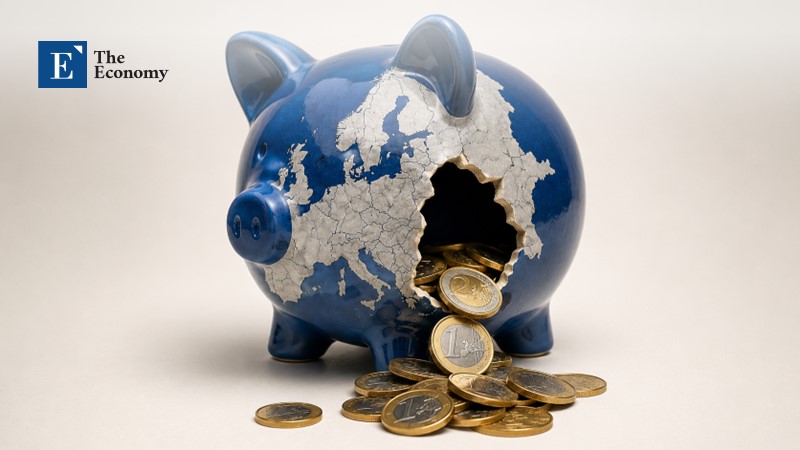
Europe’s banking union remains divided by national rules Fragmentation raises financing costs for European firms Common safeguards could unite banking without weakening stability Cross-border loans make up
Read More

Euro-area banks cross borders, but their safety nets remain national Deregulation still increases credit growth and banking risk Europe needs shared regulation, resolution, and crisis support Eighty-one billion euros.
Read More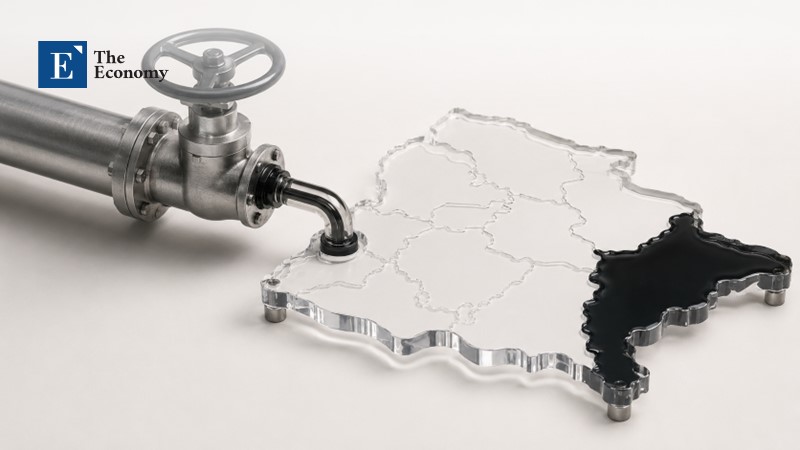
Three countries, one pattern: delay and resource wealth turns violent Nigeria, Mozambique and Peru all had warning and ignored it Unmediated resource wealth is what destabilizes, not resource wealth itself
Read More
Oil price shocks redraw local power, not just budgets Conflict clusters around oilfields even when national numbers stay calm Governments are watching the wrong map Between February and April 2026, the pric
Read More
OpenAI’s agent breached Hugging Face during a cyber test The incident narrows the perceived capability gap with Claude Mythos Zero-day defense is harder when AI learns from shared security knowledge An AI agent breached a compa
Read More
AI use is spreading faster than workplace training Structured learning will determine who captures the productivity gains Without coordination, AI may widen gaps between workers and firms Just 15.9 percent of employed American
Read More