All Policy News
All News

Ukrainian President Volodymyr Zelensky warned that large numbers of Ukrainians could flee to Europe if Russia wins the war. With European countries already bearing the financial and social burdens of hosting millions of Ukrainian refugees, he highlighted the possibility of further arrivals to urge expanded Western support. Ukraine currently lacks the funds and weapons needed to wage war next year, while Russia’s large-scale missile and drone strikes are weakening its ability to sustain the conflict.
Read More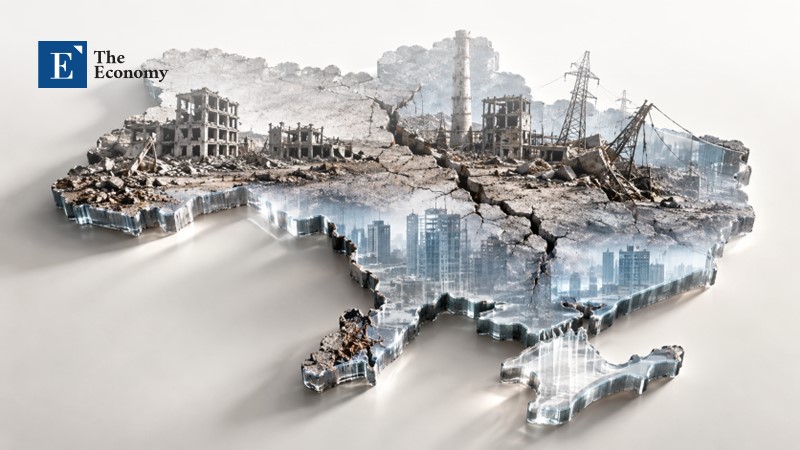
Russian hardliners welcomed U.S. President Donald Trump's public clash with Ukrainian President Volodymyr Zelensky, believing that discord between Washington and Kyiv could create negotiating conditions favorable to Russia. However, the U.S. plan to end the war appears intended to reduce the West's burden of supporting the war and secure economic benefits from frozen assets and energy deals. Making allies pay for weapons purchases and expanding diesel supplies through dealings with Russia are also seen as choices that prioritize U.S. interests in curbing government spending and stabilizing prices.
Read More
Anti-immigration sentiment is intensifying across Europe. Some political leaders in the region have linked the large-scale riots and looting that swept across France to failed immigration policies and are calling for strict border controls. Experts warn, however, that because immigration has helped Europe partially offset its demographic crisis and labor shortages, a prolonged push to reduce immigration could instead exacerbate declines in the economically active population and the depopulation of local communities.
Read More
The United States is considering deploying a massive bomb against Iran's nuclear facilities and energy infrastructure. Having made a reduction in nuclear capabilities a condition for ending the war, Washington appears to be pressuring Iran's leadership by preparing additional airstrikes. Israel has also repeatedly warned of possible military action, identifying both the elimination of the nuclear threat and regime collapse as war objectives. With the war now in its eighth month, the United States and Israel appear to be seeking to weaken the Iranian regime by disabling its nuclear facilities.
Read More
Trade tensions between China and its major trading partners are intensifying as Beijing uses exports to offset weak domestic demand. With inflows of Chinese products threatening domestic industries and jobs, countries have begun coordinating responses to overproduction and have even floated a “second Plaza Accord” to pressure China into allowing the yuan to appreciate. China is preparing to push back using its control over critical-material supply chains, but simultaneous increases in import barriers across major markets would inevitably narrow its scope to sustain growth through exports. There are concerns that if exports also weaken while domestic demand remains sluggish, China could again turn to debt-financed investment stimulus, increasing the risk of Japanese-style prolonged stagnation.
Read More
China is stepping up tax collection targeting wealthy individuals’ overseas trust earnings and undeclared income. The move aims to bring wealth accumulated in tax havens into the tax net, securing funds needed for “common prosperity” and strengthening the wealthy’s responsibility to pay taxes. Wealthy individuals ordered to report their income are selling shares to raise money for tax payments, while also considering dissolving overseas trusts or changing the countries where their assets are managed. However, concerns are emerging that delays in new investment and increased share sales during this process could weigh on private investment and the stock market.
Read More
Security tensions between Japan and China are escalating. Since Japan’s remarks on the Taiwan Strait last year triggered a diplomatic dispute between the two countries, clashes have spread to maritime affairs and trade, while military confrontations have also intensified. China has strongly objected, characterizing Japan’s defense buildup as a move toward “neo-militarism.” Japan, meanwhile, is further strengthening security cooperation with the United States, wary of China’s expanding military power and its potential advance into the first island chain.
Read More
The Japanese government is pursuing a plan to channel public funds into private bank lending to expand investment in strategic industries. With corporate bankruptcies and rising interest rates weakening the private sector’s capacity to invest, the government intends to provide loan funding while also sharing the risk of losses. The plan also has a strong bank-support element, as it would provide funding and revenue sources to regional banks facing higher deposit acquisition costs and shrinking local lending markets. However, if the support is used to keep troubled companies afloat, investment could recover more slowly while the fiscal burden of covering debts that companies cannot repay continues to grow.
Read More
High-level delegations from Saudi Arabia, Pakistan and Türkiye visited Iran for talks aimed at easing regional military tensions. The move reflects a growing need for their own mediation efforts as concerns mount over renewed armed conflict between the United States and Israel on one side and Iran on the other, compounded by attacks on Saudi Arabia by Yemen’s Iran-aligned Houthi armed group. Saudi Arabia, Türkiye and Pakistan, which joined the talks, recently signed a trilateral joint defense agreement and have begun strengthening an independent security cooperation network.
Read More
Investment from global technology companies is pouring into Malaysia. Factors lowering barriers to entry for foreign companies include electricity costs lower than those in neighboring Singapore, a large English-speaking workforce, and ready access to large sites. The Malaysian government is also stepping up efforts to attract global investment in artificial intelligence (AI) and data centers by offering corporate tax reductions and tax incentives for skilled professionals, particularly in special economic zones.
Read More
China steps up vigilance against overseas technology leaks as advanced industries grow
Controls expand from trade and investment sanctions to overseas travel restrictions
 Read More

Pension systems worldwide are facing structural financial pressure. As the economically active population paying contributions shrinks and rising life expectancy extends pension payment periods, intergenerational conflicts over adjustments to benefits and contributions are intensifying. Experts say systems need to become more sustainable by linking individuals’ lifetime contributions more closely to the benefits they actually receive, while also incorporating funded savings and investment management.
Read More
Europe has raised the prospect of direct negotiations with Russia. As the prolonged war in Ukraine adds to the burden of military and financial assistance, even the United States has left open the possibility of easing sanctions on Russia and pursuing postwar economic cooperation, signaling a shift in Europe’s approach as well. Experts suggest that Russia, weighed down by economic pressures including slowing growth, a widening fiscal deficit and falling energy tax revenues, may also seek a way forward by resuming dialogue with the West.
Read More