“Climateflation Is Coming”: Early Heatwave Puts Europe on Alert as Risks Extend Beyond Daily Disruptions to the Macroeconomy

As one of the youngest members of the team, Tyler Hansbrough is a rising star in financial journalism. His fresh perspective and analytical approach bring a modern edge to business reporting. Whether he’s covering stock market trends or dissecting corporate earnings, his sharp insights resonate with the new generation of investors.
Authored On
Modified
Europe Struggles Under Near-104°F Heat as Daily Life Faces Mounting Disruptions
Energy Markets, Labor Productivity, and Inflation Expected to Face Broad Economic Pressure
Climateflation Emerges as a Global Risk, Deepening Central Bank Policy Dilemmas
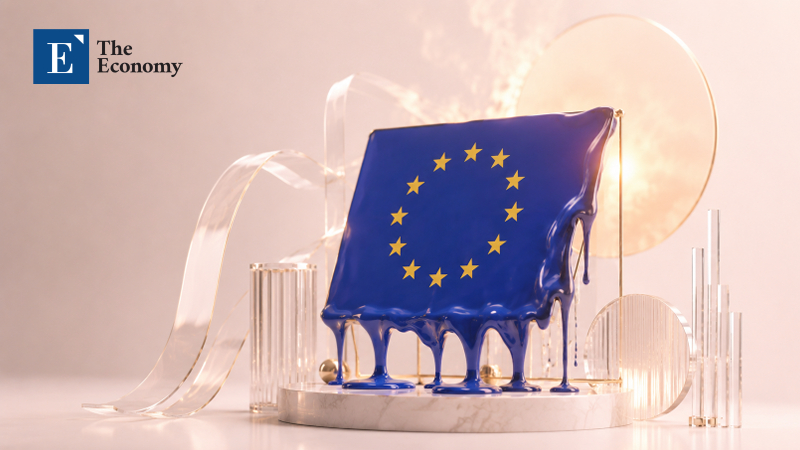
Europe is grappling with a record-breaking heatwave that has pushed temperatures to around 104°F across large parts of the continent. Governments have been forced to roll out emergency measures ranging from alcohol consumption bans to shortened school schedules and temporary school closures. Economists warn that the extreme weather is poised to inflict damage far beyond everyday inconvenience, with potentially significant consequences for the broader European economy. The phenomenon known as “climateflation,” in which climate change drives prices higher while amplifying macroeconomic risks, is increasingly coming into focus.
Extreme Heat Sweeps Across Europe
On June 21, France issued its highest-level red heatwave alert in 35 of the country’s 96 administrative regions. The move came as temperatures in Paris and southwestern areas were forecast to reach between 102°F and 106°F. French Prime Minister Sébastien Lecornu convened an emergency crisis meeting and imposed a preemptive ban on alcohol consumption at major music festivals taking place in regions under the red alert. France’s national railway operator SNCF also canceled 71 long-distance train services, citing the risk of air-conditioning failures, while numerous schools postponed final examinations or shifted to shortened schedules.
Germany experienced similar conditions the same day, with temperatures approaching 100°F across much of the country and heatwave warnings issued nationwide. Authorities also implemented temporary school closures due to extreme heat. Germany’s national weather service warned that the combination of intense heat and high humidity could trigger severe storms. Spain’s meteorological agency forecast peak temperatures of 99°F to 102°F across inland regions of the Iberian Peninsula and the Balearic Islands on June 22–23, with areas along the Tagus, Guadiana, and Guadalquivir river basins expected to reach between 104°F and 108°F. A World Cup outdoor fan zone in Madrid was shut down because of the extreme conditions.
Portugal’s weather agency likewise forecast temperatures approaching 108°F in parts of the country on June 23–24. In Italy, where temperatures have hovered between 97°F and 99°F, tourists visiting Rome’s Colosseum sought refuge in underground archaeological sites to escape the heat. The UK Met Office also projected temperatures reaching as high as 97°F in some areas on June 22–23 and issued its second-highest “amber” heat alert across large parts of southeast England and southern Wales beginning at 1 a.m. on June 22.
Economic Risks Come Into Focus
The heatwave is expected to have direct economic consequences across Europe. During summer afternoons, when intense sunshine coincides with peak solar generation, wholesale electricity prices frequently fall to zero or even turn negative. While this may appear to signal lower power costs, it more accurately reflects deepening imbalances within Europe’s electricity markets. Solar generation is heavily concentrated during midday hours, while cooling demand driven by extreme heat often extends into the late afternoon and evening. As a result, excess power during daylight hours pushes prices into negative territory, while solar generation disappears after sunset even as cooling demand remains elevated, increasing pressure on the grid. This dynamic contributes to significant intraday volatility in electricity prices. Sharp declines in wholesale power prices also create challenges for renewable energy developers. When solar operators repeatedly generate large volumes of electricity without securing adequate returns, incentives for new investment weaken, potentially increasing reliance on subsidies and long-term policy support mechanisms.
Extreme weather also directly affects workplace performance. Research published in the journal Nature Communications found that severe heat reduces individual work capacity, lowers labor productivity, and diminishes economic output. The findings were derived from analyses of past European heatwaves across multiple regions and industries. The European Central Bank (ECB) has reached similar conclusions. According to ECB estimates, economic activity declines by approximately 1% in regions experiencing severe summer heatwaves, with output losses widening to as much as 1.5% two years after such events. The findings suggest that economic damage can persist long after temperatures return to normal, as production disruptions and inflationary pressures continue to weigh on growth.
Persistent heatwaves also place upward pressure on prices. The European Environment Agency has warned that climate change is increasing both the frequency and intensity of heatwaves, floods, and droughts across Europe, placing growing strain on water supplies, agriculture, ecosystems, and infrastructure. During the summer of 2022, a major European heatwave devastated olive-growing regions in Spain, while poultry production in the United Kingdom fell 9% year over year as chickens succumbed to extreme heat. Northern Italy also suffered its worst drought in 70 years, resulting in a substantial decline in rice production for risotto. Disruptions across agricultural supply chains ultimately translate into broader food price increases, heightening inflationary pressures throughout the region. Heatwaves also create transportation bottlenecks through railway track deformation, overheating electrical infrastructure, and increased strain on vehicle cooling systems. Resulting transport delays can directly affect commuting patterns, logistics networks, and business operations.

Macroeconomic Pressure Driven by Climateflation
The threat posed by climateflation is increasingly emerging as a global concern rather than a uniquely European one. The primary transmission channel remains food prices. Research conducted by Maximilian Kotz of the Barcelona Supercomputing Center, alongside researchers from the ECB and the Potsdam Institute for Climate Impact Research (PIK), analyzed monthly consumer price index data across 121 countries and found that the impact of rising temperatures on food inflation persists for at least 12 months. The researchers estimated that elevated temperatures alone could add as much as 3.2 percentage points annually to global food inflation and up to 1.18 percentage points to overall consumer inflation by 2035.
A key challenge is the highly unpredictable nature of these inflationary pressures. Climate shocks such as heatwaves, droughts, and floods vary widely in timing, severity, and geographic impact. Even identical increases in temperature can produce vastly different outcomes depending on whether a region is already hot or relatively cool, and whether a country relies heavily on food imports. Climate-related disruptions are therefore driving inflation globally while simultaneously widening inflation disparities between countries and regions. As uncertainty surrounding future price trends intensifies, central banks face growing difficulties in calibrating monetary policy.
Central banks can suppress demand to reduce inflation, but they cannot directly resolve supply disruptions caused by climate-related disasters. Excessively aggressive monetary tightening may instead undermine business investment and household consumption, increasing pressure on the real economy. At the same time, policymakers cannot simply dismiss rising prices as temporary. Repeated climate shocks risk pushing up inflation expectations among consumers and businesses, fueling wage demands and accelerating price pass-through effects. Climate change is therefore evolving into more than an environmental challenge—it is becoming a macroeconomic risk capable of testing the credibility of central bank policy frameworks and the resilience of inflation-control regimes.
As one of the youngest members of the team, Tyler Hansbrough is a rising star in financial journalism. His fresh perspective and analytical approach bring a modern edge to business reporting. Whether he’s covering stock market trends or dissecting corporate earnings, his sharp insights resonate with the new generation of investors.
Similar Post