“From Drug Development to Manufacturing”: Global Big Pharma Expands Investment in China, Accelerating Its Rise as a Biotech and Pharmaceutical Powerhouse

As one of the youngest members of the team, Tyler Hansbrough is a rising star in financial journalism. His fresh perspective and analytical approach bring a modern edge to business reporting. Whether he’s covering stock market trends or dissecting corporate earnings, his sharp insights resonate with the new generation of investors.
Authored on
Modified
Eli Lilly expands joint drug development and technology licensing with Chinese biotech companies
Investment boom in “China biotech” spreads across global Big Pharma
Chinese government strengthens institutional support to accelerate pharmaceutical and biotech industry development
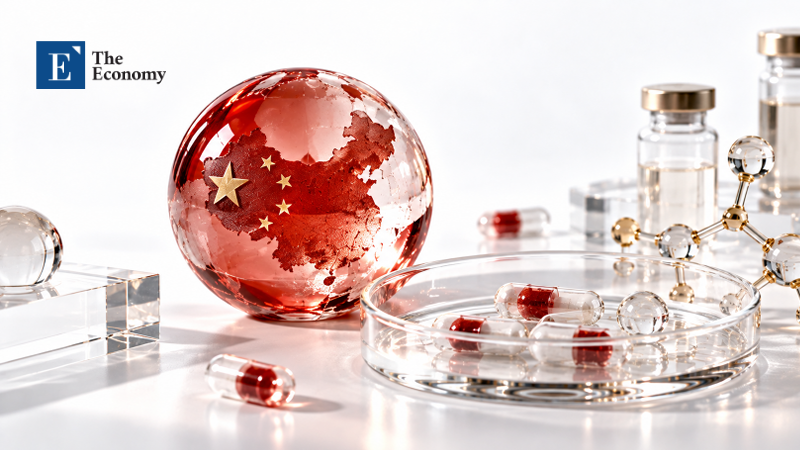
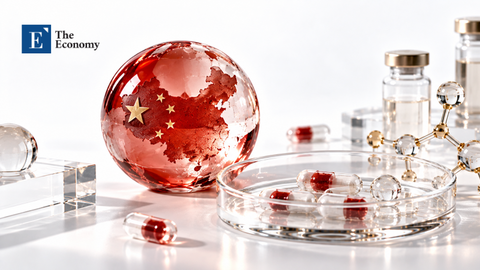
U.S. pharmaceutical company Eli Lilly is expanding its investment in China's biotech market. While committing substantial funds to expanding local manufacturing facilities and supply chains, it is also accelerating joint drug development with Chinese biotech companies and efforts to secure next-generation technologies. This push to increase investment in China extends beyond Eli Lilly to global Big Pharma more broadly, while the Chinese government is strengthening policy support to foster its pharmaceutical and biotech industries.
China's METiS TechBio Joins Forces with Eli Lilly
According to Reuters on the 19th, local time, Hong Kong-listed Chinese biotech company METiS TechBio announced that it had signed an agreement with Eli Lilly for joint research and development (R&D) of tissue-specific drug delivery technology. The partnership centers on securing next-generation drug delivery technology that uses lipid nanoparticles (LNPs) to deliver therapeutic substances more precisely to specific tissues. METiS TechBio plans to develop new drug delivery materials and technologies through AiLNP, its artificial intelligence (AI)-based platform for discovering and optimizing ionizable lipids. Ionizable lipids are a key component of LNPs, helping to stably encapsulate therapeutic substances within the particles and deliver them into cells.
Eli Lilly will contribute expertise in areas including drug candidate discovery, clinical development and commercialization, and will provide financial compensation to METiS TechBio under the agreement. It will initially pay tens of millions of USD upfront, followed by up to USD 1.1 billion (approximately USD 1.12 billion) in additional milestone payments tied to development, regulatory approval and commercialization milestones. Separately, METiS TechBio may also receive tiered royalties at single-digit percentages of annual net sales if products developed through the joint research are commercialized.
Building a Manufacturing Network for Obesity and Diabetes Treatments
This is not Eli Lilly's first major investment push in China. In March, the company announced plans to invest USD 3 billion (approximately USD 3.06 billion) in China over the next 10 years to expand local pharmaceutical manufacturing facilities and supply chains. The investment centers on expanding production capacity for orforglipron, an oral treatment for obesity and diabetes. Orforglipron is a once-daily, non-peptide glucagon-like peptide-1 (GLP-1) receptor agonist. Late last year, Eli Lilly submitted applications to China's National Medical Products Administration (NMPA) for marketing approval of the treatment for obesity and type 2 diabetes.
Eli Lilly's investment will be used to upgrade its existing manufacturing facilities in Suzhou, China, and build a new oral solid dosage manufacturing facility in Beijing. It will also establish large-scale pharmaceutical production capabilities through partnerships with local contract development and manufacturing organizations (CDMOs). Eli Lilly has signed a cooperation agreement with Beijing-based pharmaceutical CDMO Pharmaron and committed USD 200 million (approximately USD 204 million) to expand production technology and facility capabilities. Pharmaron plans to use the funds to establish the technological foundation needed to manufacture next-generation oral treatments, including orforglipron, and gradually scale up production in line with future demand.
Partnering with Chinese Companies on New Drug Development
In May, Eli Lilly also signed a joint drug R&D and licensing agreement with China's Haisco Pharmaceutical Group. According to U.S. pharmaceutical industry publication Fierce Biotech, the partnership covers up to 5 novel drug target discovery and development programs, with the aim of developing innovative medicines across multiple disease areas. Haisco will handle candidate discovery and early-stage research for targets selected by Eli Lilly, while Eli Lilly will lead subsequent development, from the nonclinical studies required for investigational new drug (IND) applications through clinical trials, regulatory approval and commercialization. Specific disease areas and drug candidates were not disclosed.
Under the agreement, Haisco will receive up to USD 87 million (approximately USD 88.5 million) in upfront and near-term payments and may receive up to an additional USD 2.967 billion (approximately USD 3.02 billion) tied to clinical development, regulatory approval and commercialization milestones. The total potential deal value is USD 3.054 billion (approximately USD 3.11 billion), with separate tiered royalties linked to sales if the resulting treatments reach the market. Eli Lilly will secure exclusive worldwide rights to some development programs and exclusive rights outside mainland China, Hong Kong, Macao and Taiwan for the remaining programs.
Table 1. Eli Lilly's Investments and Partnerships in China
| Area | Partner | Key Details | Investment and Deal Value |
|---|---|---|---|
| Drug delivery technology | METiS TechBio | Joint development of tissue-specific LNP delivery technology using an AI platform | Tens of millions of USD upfront, up to USD 1.1 billion in milestone payments and tiered royalties at single-digit percentages |
| Manufacturing and supply chain | Pharmaron and others | Upgrading Suzhou manufacturing facilities, expanding oral solid dosage manufacturing capacity in Beijing and establishing a local supply chain for orforglipron | USD 3 billion investment over the next 10 years, with USD 200 million allocated to the Pharmaron partnership |
| Joint drug development | Haisco Pharmaceutical | Haisco to handle candidate discovery and early-stage research for up to 5 targets selected by Eli Lilly | Up to USD 87 million in upfront and near-term payments, up to USD 2.967 billion in milestone payments and tiered royalties |
Global Big Pharma Looks to China for New Drugs
Beyond Eli Lilly, numerous global Big Pharma companies are looking to China to fill gaps in their existing pipelines. According to Deloitte China, the Chinese member firm of global accounting and consulting company Deloitte, licensing-out deals involving innovative Chinese drugs totaled USD 99.7 billion (approximately USD 102 billion) in the first half of this year, nearly double the full-year 2024 figure of USD 52 billion (approximately USD 53.0 billion). A recent succession of major deals between global Big Pharma and Chinese companies over a short period has also drawn market attention. From the 28th of last month through the 2nd of this month, agreements signed by U.S.-based Merck (MSD), Denmark's Novo Nordisk and Switzerland's Novartis with Chinese pharmaceutical companies had a combined maximum value of USD 12.53 billion (approximately USD 12.8 billion), with upfront payments alone totaling USD 1.275 billion (approximately USD 1.30 billion).
Amid this trend, upfront payments in licensing-out deals involving Chinese pharmaceutical and biotech companies are also rising. Data from global market research firm Evaluate show that average upfront payments in deals between global Big Pharma and Chinese biotech companies increased by approximately 231%, from USD 52 million (approximately USD 53.1 million) in 2022 to USD 172 million (approximately USD 175 million) this year. JPMorgan also found that Chinese companies' drug candidates accounted for 50% of licensing-in deals by major global pharmaceutical companies with upfront payments of at least USD 50 million (approximately USD 50.8 million) in the first quarter of this year, up from 5% in 2021, measured by the number of deals.
Chinese Government Steps Up Support
Meanwhile, the Chinese government is strengthening policy support to sustain the growth of its pharmaceutical and biotech industries. A notable example is the joint release last month by 10 government bodies, including China's Ministry of Industry and Information Technology, National Development and Reform Commission and National Medical Products Administration, of the 15th Five-Year Plan for Pharmaceutical Industry Development, covering 2026–2030. The plan aims to raise China's share of first-in-class (FIC) drugs—the first worldwide to use a novel target or mechanism of action—to at least 25% by 2030, and to secure at least 5 medicines with annual global sales exceeding USD 1 billion (approximately USD 1.02 billion). It also seeks to expand the innovative drug industry by an annual average of at least 20%.
China also plans to advance its approach to partnerships with overseas pharmaceutical companies. Previously, cooperation centered on licensing-out agreements under which Chinese companies transferred overseas development and marketing rights to their internally developed drug candidates to global pharmaceutical companies. Going forward, the aim is to participate in joint R&D from the drug discovery stage and extend cooperation to overseas clinical trials and commercialization. Increased R&D investment will be pursued alongside institutional improvements. The Chinese government has set a goal of raising listed pharmaceutical companies' average annual R&D investment to at least 10% of revenue, and, by 2030, fostering 50 pharmaceutical companies with annual revenue of at least CNY 10 billion (approximately USD 1.53 billion) and 20 pharmaceutical industrial parks with annual industrial output of at least CNY 100 billion (approximately USD 15.3 billion). It will also improve drug review and approval procedures and refine policies on drug pricing, medical insurance reimbursement and use in clinical practice to help translate R&D results into actual product launches and sales.
As one of the youngest members of the team, Tyler Hansbrough is a rising star in financial journalism. His fresh perspective and analytical approach bring a modern edge to business reporting. Whether he’s covering stock market trends or dissecting corporate earnings, his sharp insights resonate with the new generation of investors.
Similar Post