Obesity drugs fuel a market for care during and after weight loss, reshaping supplements, body contouring and drug development

Siobhán Delaney is a Dublin-based writer for The Economy, focusing on culture, education, and international affairs. With a background in media and communication from University College Dublin, she contributes to cross-regional coverage and translation-based commentary. Her work emphasizes clarity and balance, especially in contexts shaped by cultural difference and policy translation.
Authored on
Modified
Obesity drug users spend more as food intake falls and body shapes change
Related spending expands from supplements to treatment for sagging skin
Development of products and treatments targeting post-weight-loss care gains momentum
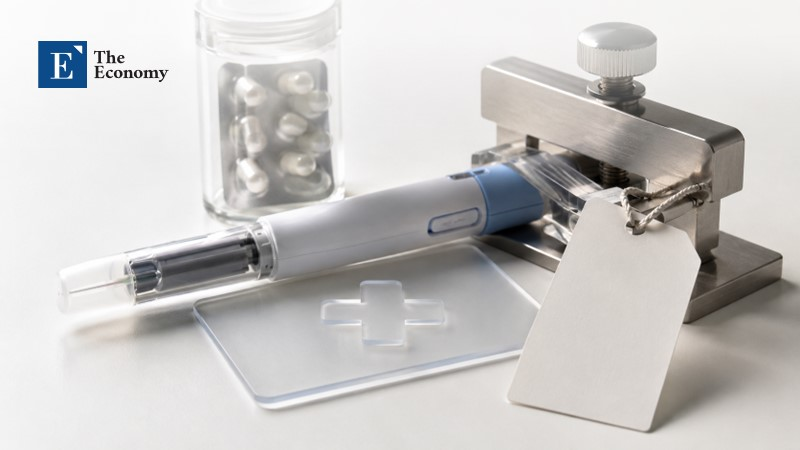
The boom in obesity drugs is reshaping consumer spending across related markets, from nutritional supplements to cosmetic procedures. As obesity medication reduces food intake, purchases of supplements to fill nutritional gaps are increasing, followed by spending to manage muscle loss and sagging skin after weight loss. Demand for protein products, in particular, has driven up prices for whey protein, a key ingredient, prompting manufacturers to expand production facilities. As new markets emerge around the weight-loss process and subsequent care, pharmaceutical companies are also investing in new drugs that target both weight reduction and muscle preservation. Clinical trials are also underway to ease the burden of long-term treatment by using oral medications to maintain weight loss or extending the intervals between injections.
U.S. supplement sales exceed USD 74 billion
According to Reuters on the 21st local time, the growing use of obesity drugs is helping drive growth in the U.S. nutritional supplement market. U.S. supplement sales exceeded USD 74 billion (approximately USD 75.3 billion) last year, while growth in vitamin and supplement sales accelerated from 5% in 2024 to 7% last year. A survey found that nearly half of users of glucagon-like peptide-1 (GLP-1) obesity drugs had begun taking new vitamins or supplements after starting treatment.
Spending has also increased as consumers seek a wider variety of products. A survey by U.S. health food trade publication Nutrition Business Journal found that probiotics, protein and fiber products were popular among GLP-1 users. This year's consumer survey by global consulting firm Boston Consulting Group also found that obesity drug users' spending on protein, fiber and collagen rose about 20% compared with before treatment. The influx of new consumers, combined with additional purchases by existing users, appears to be broadening supplement companies' customer base.
Expanding sales through social media and broader product ranges at retailers are also supporting supplement consumption. Last year, supplement sales on TikTok Shop in the United States exceeded USD 1 billion (approximately USD 1.02 billion), accounting for 5.4% of all online supplement sales. This reflects the establishment of a sales channel that allows consumers to buy directly within the platform after viewing product experiences and recommendations. Brick-and-mortar retailers are also expanding their offerings to meet growing demand. Major U.S. retailer Target is broadening its supplement selection, while specialty retailer The Vitamin Shoppe recorded double-digit sales growth in fiber and creatine this year.
Growing use of obesity drugs drives a surge in demand for protein supplements
The particularly strong growth in demand for protein supplements reflects the combination of reduced food intake during obesity drug treatment and the need to maintain muscle mass. Mounjaro and Wegovy reduce food consumption by suppressing appetite and prolonging feelings of fullness, which can make it difficult to consume enough essential nutrients such as protein. This is why users seeking to limit muscle loss during weight reduction turn to powders and shakes that provide protein in small servings. Online health products retailer iHerb has seen increased searches related to “GLP-1” and greater interest in supplement purchases among female customers seeking to offset muscle loss associated with weight reduction. Optimum Nutrition, the flagship brand of Irish protein products company Glanbia, reportedly recorded a 25% increase in first-half sales this year despite raising prices twice since last November.
Rising demand for protein is also pushing up prices for whey protein, a key ingredient in supplements. Whey is a byproduct of cheese production, and protein processed from it into highly concentrated forms is used in powdered supplements and drinks. According to commodities brokerage and analytics firm StoneX, whey protein concentrate with 80% protein content (WPC80) cost EUR 20,000 (approximately USD 22,846) per metric ton as of June this year, up about 90% in a year. Industry sources say processing facilities producing high-protein ingredients are struggling to keep pace as purchases by obesity drug users add to demand already rising amid growing interest in healthy eating and an aging population. To expand supply, Dutch dairy company FrieslandCampina completed its acquisition of U.S. whey protein isolate producer Wisconsin Whey Protein in January this year and doubled production capacity at its Borculo plant in the Netherlands.
Demand for cosmetic procedures also rises
Alongside nutritional supplementation, some patients are taking additional medications to manage digestive symptoms that arise during treatment. GLP-1 drugs slow the rate at which food leaves the stomach, which can cause heartburn or acid reflux in some users. Proton pump inhibitors (PPIs), such as omeprazole, are used to relieve reflux symptoms by reducing stomach acid production. A multidisciplinary expert consensus published in the international journal Journal of Clinical Medicine also presented a case recommending dietary adjustments and short-term PPI use for a patient who developed heartburn after a GLP-1 dose increase. The approach involves maintaining the medication dose until symptoms subside and then extending the intervals between dose increases, helping clinicians continue weight-loss treatment while managing gastrointestinal symptoms.
Demand for care associated with obesity treatment continues after weight loss. During treatment, users manage nutritional deficiencies and digestive symptoms; after losing weight, they turn to exercise or cosmetic procedures to address loose skin and changes in body shape. In last year's member survey by the American Society of Plastic Surgeons (ASPS), 82% of responding physicians said they had received consultation requests related to GLP-1 use. Rapid weight loss has created demand for procedures to remove excess skin from areas such as the arms and abdomen. Interest in targeted body contouring is also growing as “trophy arms”—toned arms with visible muscle definition—gain attention among some high-income women in New York. Some are combining personal training with cosmetic procedures and surgery to achieve their desired arm shape.
Table 1. Development directions and key clinical results for obesity drugs
| Drug · Developer | Development objective · Approach | Key clinical results · Progress |
|---|---|---|
| Bimagrumab Eli Lilly | Limit lean mass loss during weight reduction Combine an antibody that blocks activin signaling with semaglutide | Phase 2 trial: average weight reduction of 22.1% over 72 weeks Fat accounted for 92.8% of weight lost Lean mass, including muscle and connective tissue, largely maintained |
| Retatrutide Eli Lilly | Increase weight-loss efficacy Simultaneously activate GLP-1, GIP and glucagon receptors | Phase 3 TRIUMPH-1 trial 12 mg administered once weekly to adults with obesity or overweight without diabetes Average weight reduction of 28.3% over 80 weeks; 45.3% of participants lost at least 30% Based on an efficacy analysis assuming continued use of assigned treatment |
| Orforglipron Eli Lilly | Maintain weight after weight loss Switch from injectable treatment to an oral GLP-1 drug | Phase 3 ATTAIN-MAINTAIN trial 376 participants who had used Wegovy or Zepbound for 72 weeks Average weight gain 52 weeks after switching: 0.9 kg in the Wegovy group and 5 kg in the Zepbound group Met the primary endpoint for weight maintenance versus placebo, based on the efficacy analysis released by the company |
| MariTide Amgen | Extend dosing intervals Target dosing once monthly or less frequently | Phase 2 trial: average weight reduction of up to approximately 20% over 52 weeks in patients with obesity without diabetes Based on an analysis assuming continued treatment Phase 3 trial underway evaluating dosing every 8 weeks or 3 months after switching from once-weekly injections Separate extension study assessing weight maintenance with dosing once monthly, every 8 weeks or every 3 months |
Competition intensifies to develop next-generation obesity drugs that also preserve muscle
Demand for muscle and body-shape management after weight loss also intersects with pharmaceutical companies' drug development priorities. Bimagrumab, an antibody therapy being developed by Mounjaro developer Eli Lilly, works by blocking activin signaling, which inhibits muscle growth. The aim is to combine it with appetite-regulating obesity drugs to reduce lean mass loss during weight reduction. In a phase 2 trial combining bimagrumab with semaglutide, the active ingredient in Wegovy, average body weight fell 22.1% over 72 weeks, with fat accounting for 92.8% of the weight lost. Lean mass, including muscle and connective tissue, was largely maintained, supporting the potential of combination treatment to reduce fat while preserving muscle.
Alongside combination therapies designed to improve body composition, research on new drugs to increase weight-loss efficacy itself is also accelerating. Eli Lilly's investigational candidate retatrutide is designed to act simultaneously on receptors for three hormones: GLP-1, glucose-dependent insulinotropic polypeptide (GIP) and glucagon. It induces weight loss by jointly regulating pathways involved in appetite, blood sugar and energy metabolism. In the phase 3 TRIUMPH-1 trial, whose results the company released in May, adults with obesity or overweight without diabetes who received 12 mg once weekly achieved an average weight reduction of 28.3% over 80 weeks. The efficacy analysis assumed participants continued their assigned treatment, and 45.3% of participants in that dose group lost at least 30% of their body weight.
Oral drugs and long-acting injections diversify maintenance treatment
How to maintain substantial weight loss over the long term is also a major focus of clinical trials. One prominent approach is to continue treatment by switching to oral medication after losing weight with injections. In its phase 3 ATTAIN-MAINTAIN trial, Eli Lilly evaluated the weight-maintenance effects of the oral GLP-1 drug orforglipron in 376 participants who had used Wegovy or Zepbound for 72 weeks. According to the efficacy analysis released by Eli Lilly, average body weight in the group switching from Wegovy to orforglipron increased by 0.9 kg over the 52 weeks after the switch, while the group switching from Zepbound gained 5 kg. Although both groups regained some weight, the trial met its primary endpoint assessing weight maintenance versus placebo, adding evidence to support maintenance treatment with oral medication.
Development is also underway to extend injection intervals so maintenance treatment can continue over the long term. U.S. company Amgen's MariTide is an obesity drug candidate being developed for administration once monthly or less frequently. In a phase 2 trial, patients with obesity without diabetes achieved an average weight reduction of up to approximately 20% over 52 weeks, based on an analysis assuming continued treatment. Building on those results, Amgen is conducting a phase 3 trial in which patients using existing once-weekly injections switch to MariTide administered every 8 weeks or 3 months. A separate extension study is examining weight maintenance with dosing once monthly, every 8 weeks or every 3 months.
Siobhán Delaney is a Dublin-based writer for The Economy, focusing on culture, education, and international affairs. With a background in media and communication from University College Dublin, she contributes to cross-regional coverage and translation-based commentary. Her work emphasizes clarity and balance, especially in contexts shaped by cultural difference and policy translation.
Similar Post